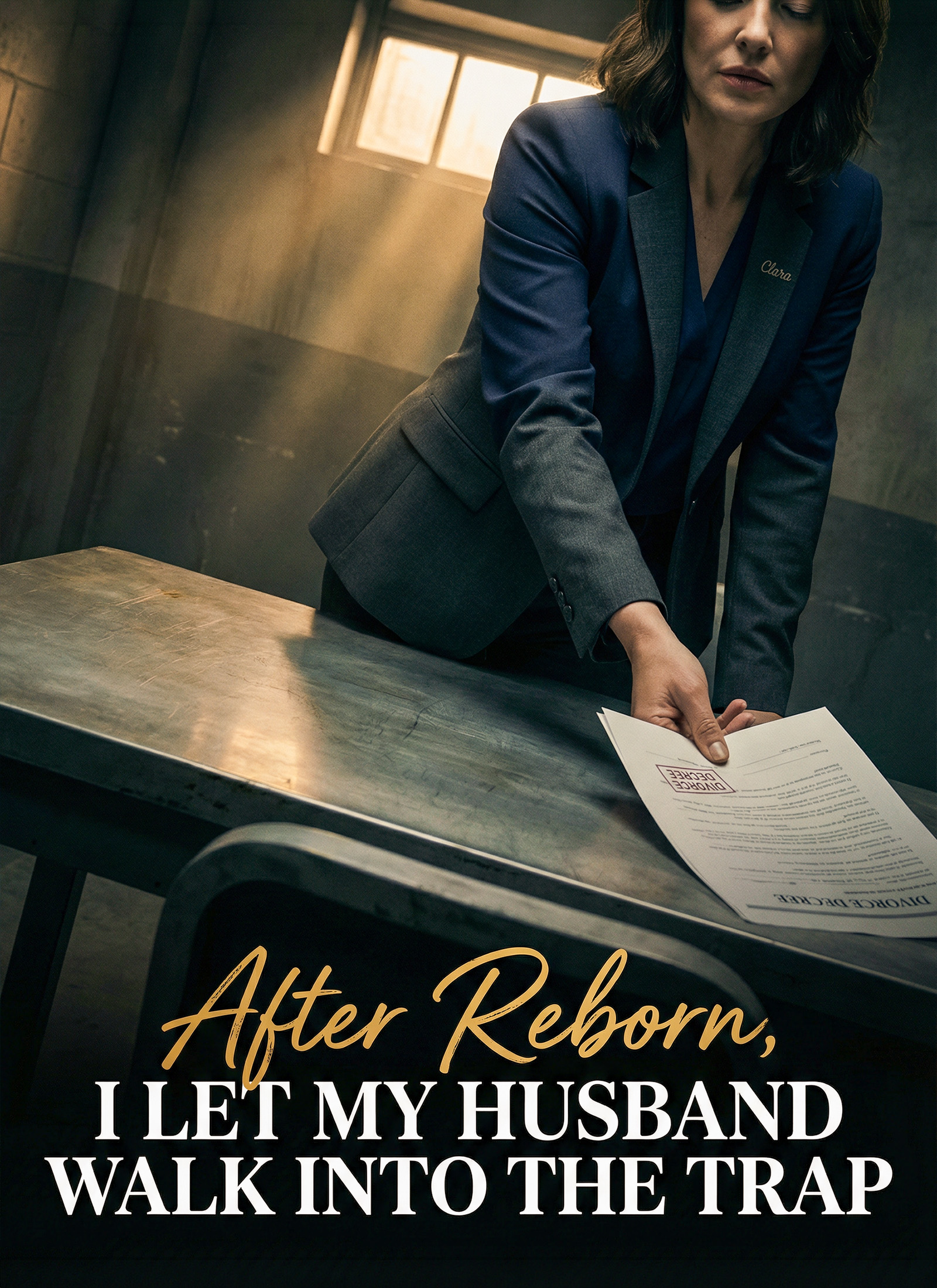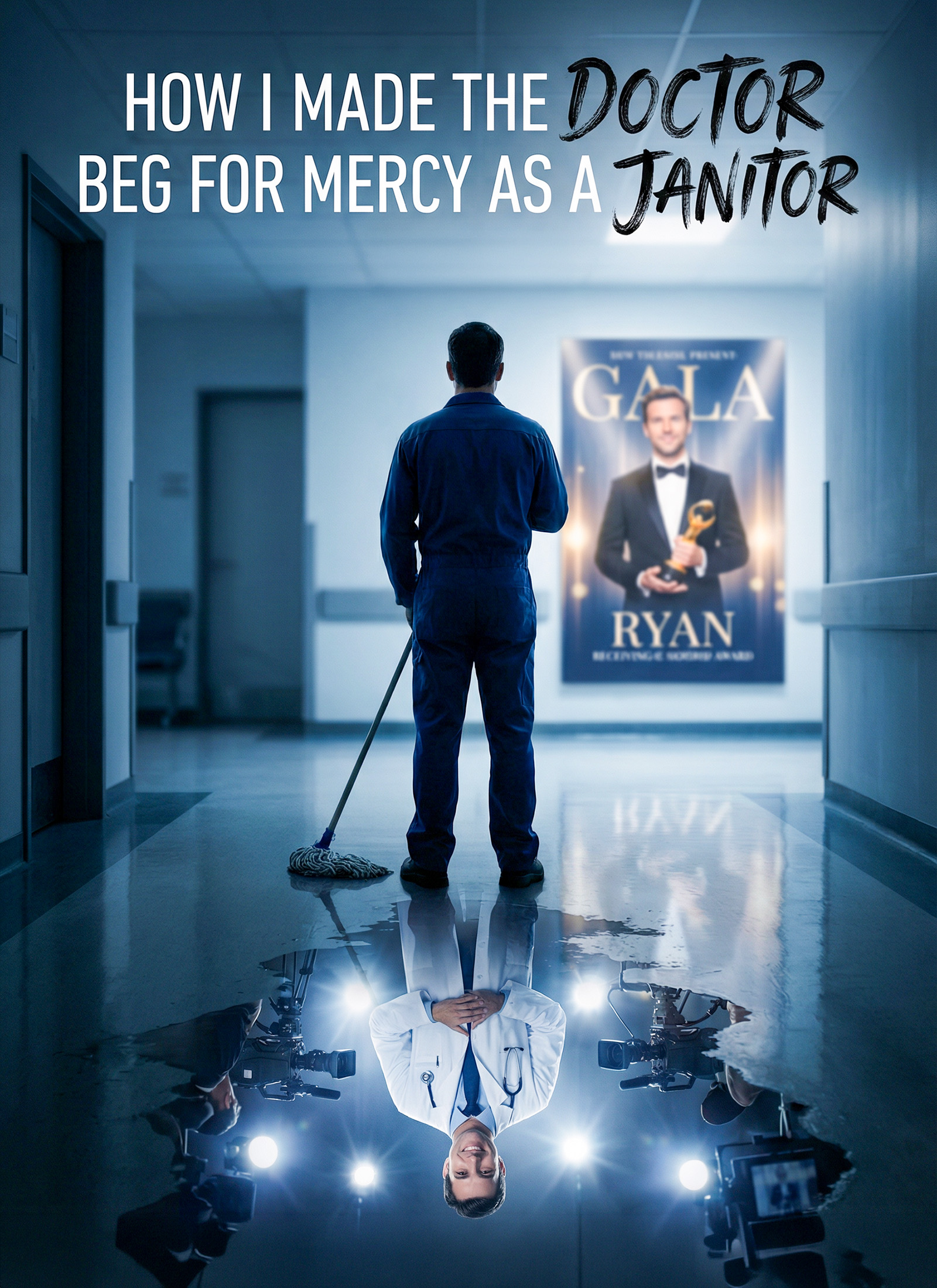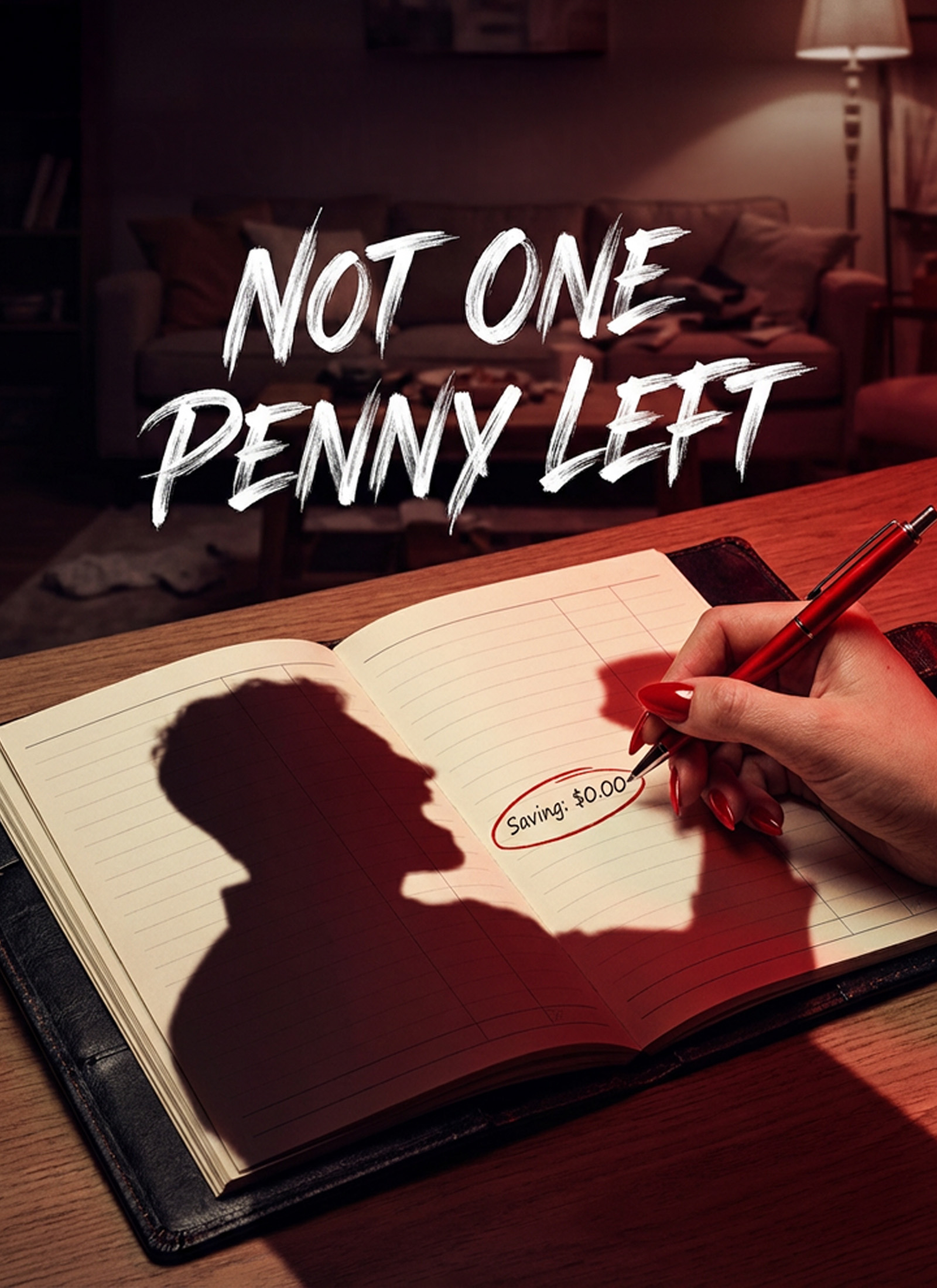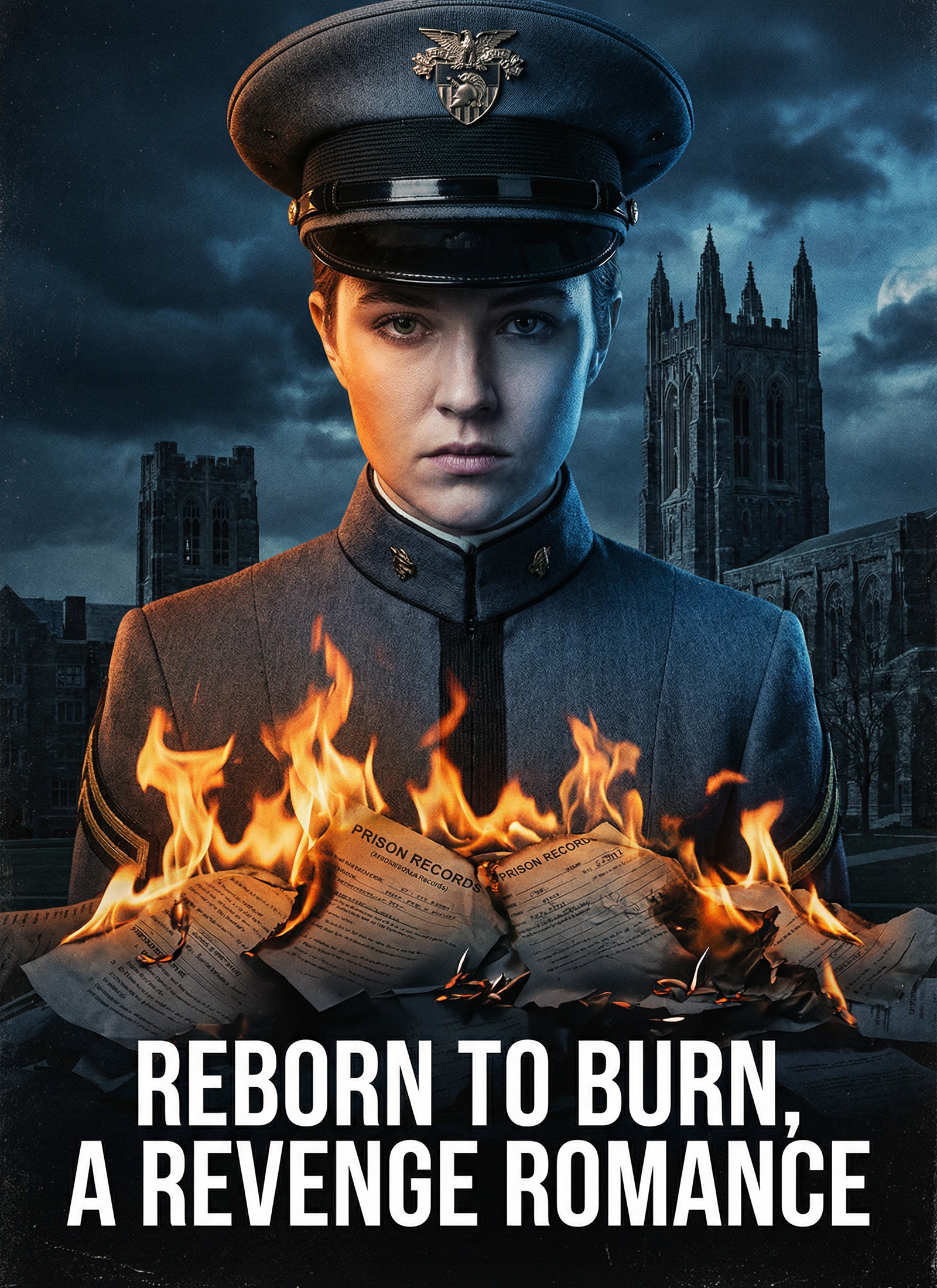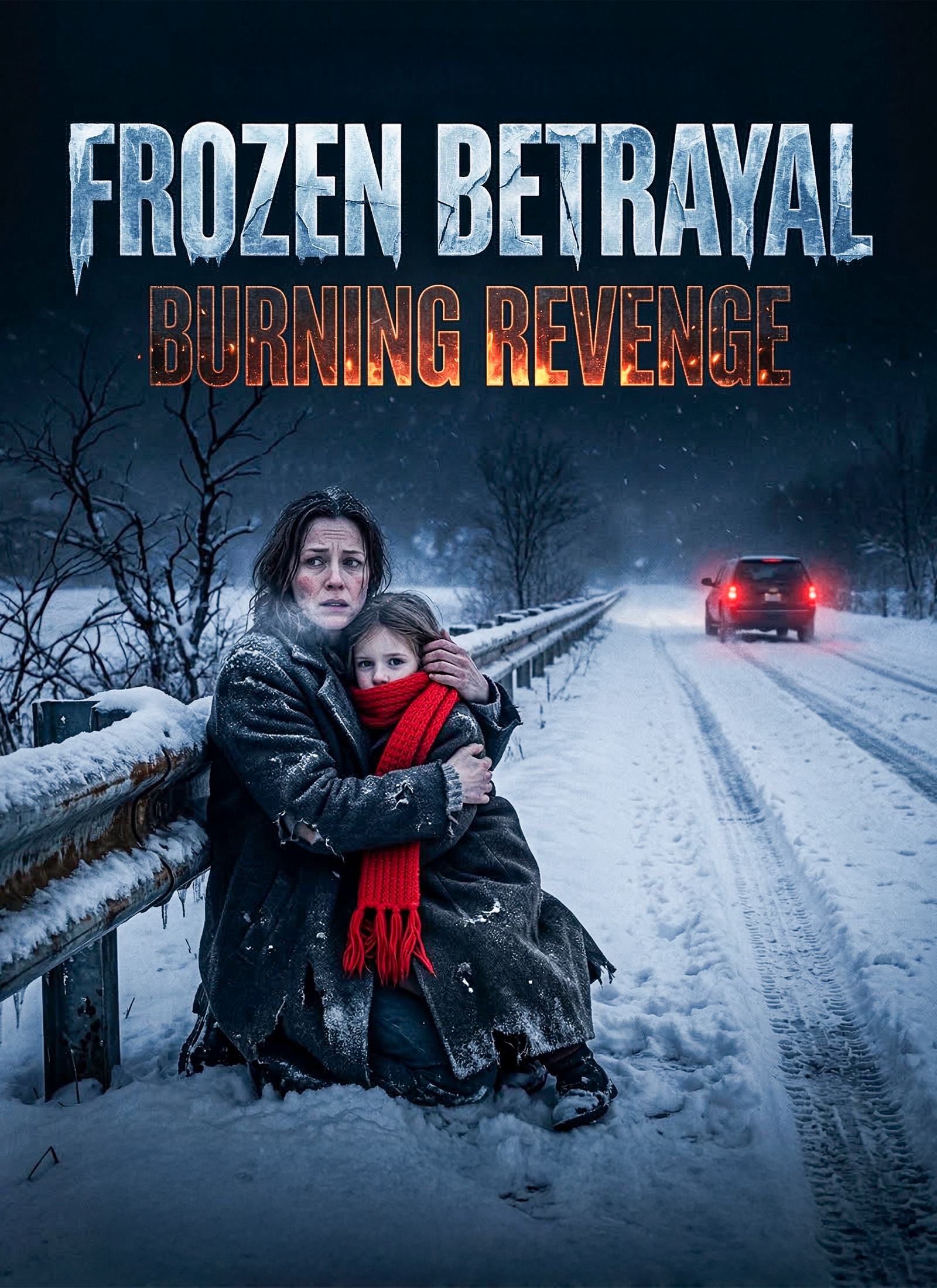
• I Aborted His Only Heir

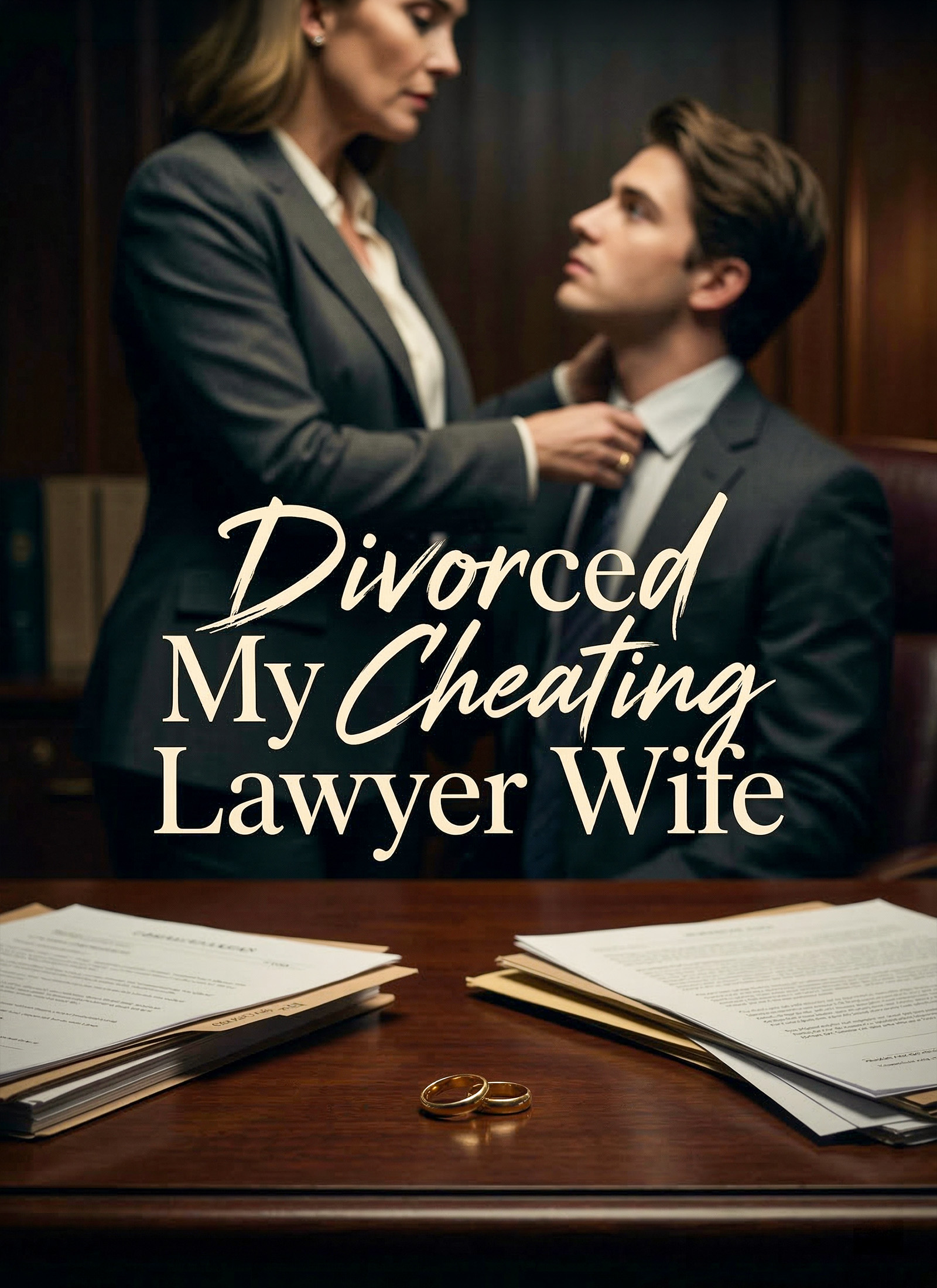
    On my wedding day, my mother died under the screeching tires of a Maybach. The woman behind the wheel was Talia, the adopted sister Elvis Beaumont cherished above all else. The security footage was a nightmare looped in my mind: her dragging my mother’s body for miles until there was nothing left but a sickening trail of red and white on the asphalt. After eight years of loving him, Elvis finally promised to stand by me. But the moment I filed charges for first-degree murder, he handed me a blank check. “Talia is young,” he said, his voice as cold as the basement he’d locked me in. “Prison would destroy her.” To stop me from appearing in court, he kept me—his pregnant wife—shackled in the dark for three days. It was only then that I realized that in his world, I was always the one meant to be sacrificed. 1 After seventy-two hours of silence, the heavy steel door groaned open. Elvis stepped into the dim light of the basement. “Madeline,” he started, his voice devoid of the warmth that used to define us. “Have you reconsidered the withdrawal?” He didn’t ask if I was hungry. He didn’t ask about the baby. His first words were a plea for his spoiled little princess. I forced my head up, my jaw aching from tension. “I will never withdraw those charges, Elvis. Never.” “I will make sure Talia pays for what she did. Every cent, every second of her life.” Elvis crossed his long legs, his face obscured by the shadows, but I could feel the glacial chill emanating from his eyes. “Talia was reckless. She’d had a few drinks and she hit your mother by accident. I’ll provide whatever compensation you want. Write any number on the check. Isn’t that enough?” He paused, a cruel edge sharpening his tone. “Your mother was sixty. In a wrongful death suit, her life is worth maybe a million, tops. Look at the math, Maddy. You’re coming out ahead.” Ahead? The air left my lungs as if he’d punched me. A sharp, twisting pain flared in my abdomen, and a cold sweat broke across my brow. “Elvis, that was my mother! The woman who raised me! You think you can put a price tag on her soul?” My voice cracked, rising to a scream. “Talia knew she hit someone! She kept driving! She dragged her until her heart stopped beating! That isn’t an accident—it’s a slaughter! Does she not have to answer for that?” Elvis’s brow furrowed, his patience clearly reaching its limit. “Madeline, I’m giving you one last chance to be reasonable.” His assistant stepped forward, holding a tablet. A video played. It was a live feed of my father’s hospital room. He had been in a vegetative state for years, a silent ghost of the man he once was. In the video, a man stood over him, a pair of surgical scissors hovering inches from his oxygen line. “Withdraw the case,” Elvis whispered, “or watch your father die. Choose.” The blood drained from my face, rushing to my head in a deafening throb. I lunged forward, a primal scream tearing from my throat, but Elvis caught me, pinning my arms to my sides. “Think carefully, Madeline. Are you really going to throw away your future for a dead woman?” His words were like a devil’s bargain, piercing through whatever was left of my heart. Years ago, when Elvis first took over the Beaumont empire, his ruthless tactics earned him many enemies. He was kidnapped during a high-stakes deal gone wrong. My father was the lead detective on the case. In the final standoff, my father took a bullet meant for Elvis, a bullet that shattered his spine and left him in a coma. Out of guilt—or perhaps a twisted sense of debt—Elvis took my mother and me in. He paid for every medical bill. For five years, he was my rock. He never missed a milestone. We grew together, our bond shifting from gratitude to a deep, consuming love. On the day I graduated, he proposed in front of the entire university, promising me a life of unparalleled happiness. But he broke that promise the moment Talia returned from her “studies” abroad. I looked into his pitch-black eyes. “Elvis, have you forgotten? My father is in that bed because he saved your life. And now you’re willing to kill him to protect a girl who spends her days breaking every law she can find?” I was shaking so violently my teeth rattled. Even with the evidence of his cruelty right in front of me, I couldn’t believe he would go this far for her. Elvis sighed, a long, weary sound as if he were the victim. “I’ve already punished her, Madeline. She knows she made a mistake.” “We’re family. There’s no need to turn this into a public circus.” 2 I knew exactly what Elvis’s “punishment” looked like. A week-long grounding. A suspended credit card. Meaningless gestures that he’d recycled for eight years. I was sick of it. Ever since Talia came back, she was the third person in our marriage. If Elvis spent more than ten minutes with me, her phone call would tear him away. She was always threatening suicide or getting into some high-speed chase that required his legal team to scrub the records. Elvis would tell me not to worry about her, but he was always the first to run to her side. And I was always the one left behind. Every time, he’d soothe me with the same tired lines. “Maddy, she lost her parents young. I’m all she has. I have to be responsible for her.” “Maddy, she’s just spirited. She’s not a bad person. We’re her elders; we have to be patient.” But this time, her “spirit” had murdered my mother to stop our wedding. I thought Elvis would finally see reason. But his heart was a compass that only pointed toward Talia. Watching the video of my father, the tears I’d held back for weeks finally spilled over. “Fine, Elvis,” I whispered. “I’ll do it. I’ll withdraw the charges.” A spark of triumph lit his eyes, and he offered a smile that made my skin crawl. “That’s my girl. I knew you’d understand.” “In seven days, we’ll have the wedding again. A real one this time. Okay?” I didn’t nod. I didn’t shake my head. I just took the pen and signed my name on the legal waiver, every stroke feeling like a jagged blade carving into my chest. That night, I saw Talia’s Instagram post. She was celebrating her “freedom” at a rooftop bar. Behind her was a mountain of luxury shopping bags, the centerpiece being a vintage Patek Philippe watch. It was worth three hundred thousand dollars—the same watch Elvis had outbid everyone for at a charity gala last month. Thanks to the best ‘Uncle’ for giving me my life back—again. I saw Elvis’s profile in the likes. In eight years, he had never liked a single photo of mine. But he never missed one of hers. “She’s just a kid, she cares about that social media stuff,” he used to tell me. “If I don’t like it, she throws a tantrum.” I never made a scene about Talia because I wanted to be the “mature” one. But now, while my mother’s body was being prepared for a casket, he was celebrating Talia’s rebirth. I stood by the window of our cold mansion, my heart turning to stone. I picked up the phone and dialed the clinic. “Hello. I’d like to schedule a termination.” I looked down at my flat stomach. This baby was supposed to be my wedding gift to Elvis. But some gifts shouldn’t be given. Just like our wedding, this story was never going to have a happy ending. I organized my mother’s funeral alone. The chapel was filled with gardenias, her favorite. On the day of the service, Elvis showed up holding Talia’s hand. As I watched, Talia stepped toward the altar to light a candle. “Who gave you permission to be here?” My voice was a whip, cracking through the silence of the chapel. I slapped the candle out of her hand. The hot wax splashed onto her skin, and she let out a piercing shriek, recoiling into Elvis’s arms. “Elvis… it hurts!” Elvis looked at her reddened hand, his eyes burning with sudden fury. “She’s just trying to pay her respects, Madeline. Was it really necessary to attack her?” Talia’s eyes welled with practiced tears. She reached out to grab my hand, her voice a trembling whisper. “Maddy, I’m so sorry. I was coming to the wedding to bring you a gift… I didn’t know it would happen like that!” “Elvis already punished me so much. I really, truly know I was wrong.” She was a master of the “innocent girl” act, and Elvis was her most devoted audience. I used to tolerate it for him. Not anymore. “Elvis, I am saying this for the last time. Get her out of here.” The guests were whispering, pointing. Everyone knew Talia had been the driver. The facade on Talia’s face began to slip. “She was just an old woman!” Talia snapped, her voice losing its sweetness. “She was going to die sooner or later anyway!” “If Elvis hadn’t dragged me here, do you think I’d want to come to this dump?” She marched to the front of the room before anyone could react and grabbed the porcelain urn containing my mother’s ashes. “You don’t want me to light a candle?” she hissed. “Fine. Then nobody gets to say goodbye!” My heart stopped. “No!” With a sickening crash, the urn shattered against the floor. Gray dust exploded into the air, coating the carpet. 3 The room went deathly silent. A sharp, acidic burn rose in my throat, but I forced myself not to cry. I dropped to my knees, desperately trying to scoop the ash and bone fragments back together with my bare hands. Talia, meanwhile, looked like a woman possessed. She began tearing down the floral arrangements, smashing the framed photos of my mother. She turned the funeral into a riot. I walked out of the hall clutching the small amount of ash I could save. Elvis chased after me, catching me by the arm. “Maddy, she’s just got a temper. She can’t handle people criticizing her. She went too far this time, I know.” “Don’t worry, I’ll arrange a new service… I’ll handle everything.” The same words. The same poison. I felt a wave of nausea so strong I almost gagged. I pulled my arm back. “Don’t touch me.” I pushed his hand away with a strength I didn’t know I had. Elvis’s hand hung in the empty air, and for a second, he looked shaken. I hadn’t walked ten steps when my phone buzzed. It was the private nurse I’d hired for my father. “Ms. Rossi… your father’s oxygen. Someone pulled the plug…” The world tilted on its axis. I rushed to the hospital, the urn fragment still clutched to my chest. By the time I arrived, my father’s body was already covered in a white sheet. “Who did this? Tell me who!” I screamed at the head nurse. “I paid for extra security! How did someone get in?” Ever since Elvis threatened him, I’d changed the staff. I thought I’d made him safe. “It… it was Ms. Beaumont,” the nurse stammered, trembling. “She said your father was a drain on hospital resources. She said the hospital had stopped his care…” “She owns a stake in this facility, Ms. Rossi. No one dared to stop her.” The nurse dropped to her knees, terrified of the legal fallout. “Please, don’t fight her. You can’t win.” The image of Talia smashing the urn flashed in my mind, fueled by a rage that burned hotter than any fire. I took a cab back to the mansion. As I stepped out, I heard music blasting from inside. Laughter. “If her dad hadn’t saved Elvis, do you think he’d ever look at a girl like her?” “I’m never letting him marry anyone but me.” “First wedding, the mom dies. Second attempt, the dad dies. Let’s see if she’s brave enough for a third!” Talia’s voice, shrill and arrogant, echoed through the halls. I kicked the front door open and slammed the power switch on the stereo. I walked straight up to Talia and delivered a slap that echoed like a gunshot. Talia stumbled back, clutching her cheek. Her face contorted into something demonic. “You hit me? No one hits me!” She screamed for the security she’d hired. Within seconds, two men pinned me to the floor. “So what if your parents are dead? I lost mine too. You think you’re special, Madeline?” She ground her stiletto heel into the back of my hand until I cried out in pain. “I killed your father. I killed your mother. And I can kill you, too.” “People like you… you’re just trash. Cheap, replaceable trash.” Someone restarted the music. Talia and her friends took turns kicking me while I was down. A small pocketknife appeared, and Talia dragged the blade across my forearm, her eyes dancing with excitement at the sight of my blood. “You’ll pay for this, Talia. I swear to God, you’ll pay.” “Pay?” She laughed, leaning down to whisper in my ear. She had them drag me into a small storage closet under the stairs and zip-tie my hands. “Watch closely, Maddy. Let’s see who pays.” They taped my mouth shut. I struggled against the ties, my heart hammering, and then I heard the front door open again. Elvis walked in. He looked at Talia and frowned. “What happened to your face?” 4 Talia glanced back at the closet door, her smile widening. “Oh, you know me. I got into a little scuffle.” “Tell everyone to leave, Elvis. If Maddy comes back and sees this mess, she’ll be upset again.” Elvis sighed, his expression softening into that familiar, indulgent look. He tapped her nose playfully. “You’re always causing trouble.” He dismissed the crowd. Talia wrapped her arms around his waist, purring as the guests filtered out. But she didn’t let go. Her hands moved over him with a hunger that was distinctly un-sisterly. “Elvis…” she breathed. “Let me show you something.” Through the crack in the closet door, I saw Elvis’s eyes—usually so cold and professional—cloud with a dark, familiar heat. He backed her against the wall near the stairs. His voice dropped to a low, gravelly register I’d only heard in our most private moments. “Talia, you shouldn’t tempt me like this.” “You know the world won’t let us be together. There’s no future for us.” My eyes nearly bulged out of my head. My nails dug into my palms. In eight years of dating, Elvis and I had only been intimate a handful of times, usually after he’d been drinking. I’d always assumed he just wasn’t a physical person. I was wrong. He just wasn’t physical with me. “I don’t care about the world,” Talia whispered, pulling his head down. “I’m happy being your little secret.” They collided in a feverish, desperate kiss. I watched them against the wall, my own body aching from the kicks and the cuts, but the pain in my chest was worse. Eight years of my life had been nothing but a smoke screen for their filth. “Elvis,” Talia gasped between breaths. “I pulled the plug on Maddy’s dad.” I waited for the explosion. For him to throw her off. For him to remember the man who took a bullet for him. Instead, he just chuckled, his breath hot against her neck. “You really can’t go a day without a crisis, can you?” “Fine. I’ll handle Maddy. I’ll tell her it was a hospital error.” No blame. No horror. Just the exhausted fondness of a man cleaning up a toddler’s spilled milk. I felt the tears dry on my face. I reached for the phone in my pocket—the one they’d forgotten to take. I hit ‘record.’ Talia laughed, promising to be “good,” and they disappeared into the master bedroom. I sat in the dark until the house went quiet. Eventually, Talia came back. She was wearing nothing but a silk robe, her neck covered in bruises. She opened the closet door. “Hear all that?” she sneered. “To him, your parents’ lives are just ‘little accidents.’ You really think you can beat me?” I didn’t say a word. I didn’t even look at her. Frustrated by my lack of reaction, she kicked me one last time and left. As soon as the house was empty, I used a sharp edge of a shelf to saw through the zip ties. I left the mansion and sent the audio file to my lawyer. This time, I’m taking her down. All the way. My lawyer replied instantly. I told you to wait for this. This is the leverage we need to break the Beaumonts. It’s over for them. Send the divorce papers to his office tomorrow, I typed. I went to the hospital to finalize my father’s arrangements, then I sat in the waiting room for my own surgery. My phone rang. It was Elvis. “Maddy? Where are you? The hospital called about your dad—it was a terrible oversight on their part. I’ve already filed a complaint.” “We’ll hold a joint funeral for your parents. I’ll come pick you up when I’m done with a meeting.” I stared at the white walls of the clinic. “Okay,” I said quietly. Elvis hesitated, perhaps sensing the hollowness in my voice. “Where are you exactly?” I let out a soft, jagged laugh. “I’m at the Women’s Health Center, Elvis.” “I’m waiting for the doctor to take our baby out of me.” I heard the sound of a phone hitting the floor on the other end. I turned my phone off and walked into the operating room. Wait for me, Elvis. We’re going to settle the bill. Every last cent. Elvis stared at the dead screen, his heart hammering against his ribs. He redialed frantically, but it went straight to voicemail. He bolted from his chair, grabbing his coat. His assistant met him at the door with a stack of papers. “Sir, I have the afternoon briefings—” “Cancel everything! I have an emergency!” The assistant looked uncomfortable, holding out a specific envelope. “But sir… this just arrived by courier. It’s from Mrs. Beaumont’s lawyer. It’s… divorce papers.” Elvis froze. He stared at the bold letters. His eyes turned bloodshot, a sharp, stinging pain blooming behind his lids.

    🌟 Continue the story here 👉🏻 📲 Download the “MotoNovel” app 🔍 search for “419170”, and watch the full series ✨! #MotoNovel

  • Her Nephews Are Actually Her Sons

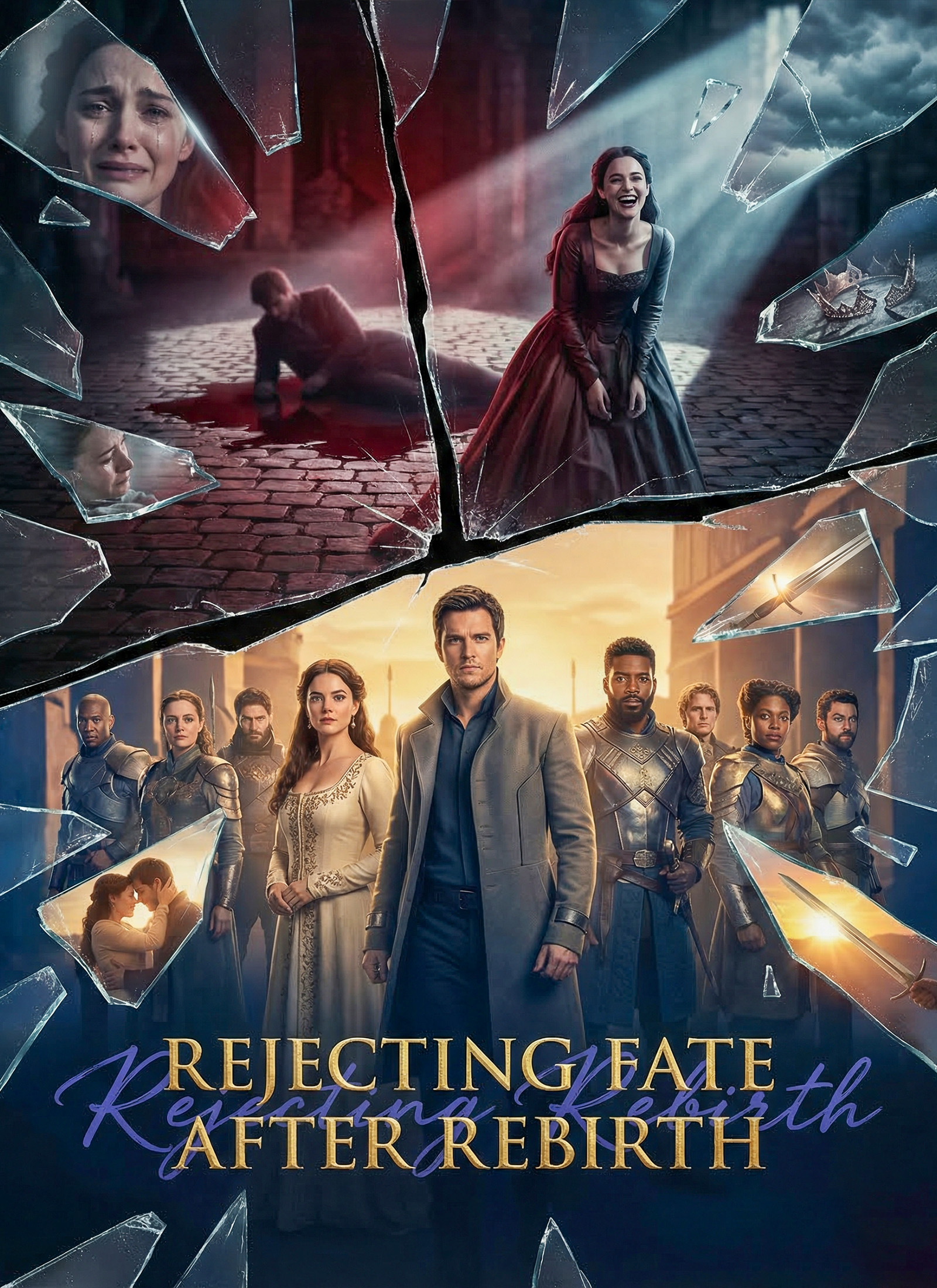
    The first thing I did after coming back from the dead was slam the divorce papers onto the table. It was my daughter’s fifth birthday. Everyone in that room thought I’d lost my mind. After all, it was common knowledge that my wife, Claire, was a rising star at the base, a woman destined for the kind of power that could move mountains. Her hand trembled as she gripped the document. “You’re doing this now? Just because I asked you to quit that dead-end union job at the mill to help Simon with the kids? He’s a single father, Jack. He’s struggling. We don’t even need your paycheck!” I didn’t answer. My gaze was locked on the sofa, where my daughter, Daisy, was pinned to the cushions. Simon’s two sons were sitting on her back, treating her like a literal horse. I lunged forward, ripped those two little monsters off her, and shoved them toward the floor. “You’re overreacting!” Claire snapped, her voice sharp with embarrassment. “They’re just playing. They’re family, for God’s sake. Is this really necessary?” Necessary? In my last life, I believed that lie. I believed it until the day a paternity report shattered my world, until the day I watched Daisy’s tiny casket being lowered into the ground without even a proper goodbye. This time, I didn’t care if Claire was on track to become a General. I was taking my daughter and getting out. This marriage was over. 1. “Waaaah—!” The twins hit the hardwood floor and erupted into a synchronized, ear-splitting wail. The easy laughter that had filled the living room died instantly. Simon, my brother-in-law, was at Claire’s side in a heartbeat, his eyes already welling with practiced tears. “Jack, please, don’t do this. If I’ve done something to upset you, just tell me. I know you’re frustrated, but I never asked you to give up your career for us. Please, don’t blow up your marriage with Claire because of me and the boys.” He turned and gave the twins two quick swats on their rear ends. It looked forceful, but the impact was as light as a feather. “You boys were being too rough! Apologize now!” Hunter and Cooper only cried harder. Simon pulled them into his arms, his voice cracking with a staged vulnerability. “Their mother passed so young… it’s been so hard raising them alone. Jack, you’ve always been the kind one. Do it for the memory of Claire’s sister. Don’t take it out on the kids…” My mother-in-law, Martha, charged out of the kitchen like a heat-seeking missile. She scooped up the twins, pointing a trembling finger at my face. “You heartless prick! Do you have any idea how hard Simon works? Claire is just trying to look out for her sister’s family. What’s wrong with that? You’re making a scene on your own daughter’s birthday? Have you no shame?” The relatives began to whisper, their voices a low hum of judgment. “He’s crazy. Claire just got promoted to Major. Her future is golden…” “You don’t just walk away from a military marriage like this. It’s a scandal.” “Poor Simon. A widower with two boys, and he has to deal with this…” I held Daisy tight. My fingers brushed against her narrow back, feeling the way she was shaking. She was like a hunted animal in my arms. In my previous life, it was always like this. Simon would play the victim, the “sensitive man” in over his head, and I became the “unreasonable” one. The “bitter” one. “Jack! I’m talking to you!” Claire’s voice snapped me back to the present. She was helping Simon stand up, her eyes boring into mine with a mixture of disappointment and pure, unfiltered irritation. “Look at him. Look at what you’re doing to this family. Can’t you just be the bigger person for once?” “Be the bigger person?” I looked her dead in the eye. “Claire, do you even know what today is?” She blinked, momentarily stunned. “It’s March 17th. It’s Daisy’s fifth birthday.” I walked into the center of the room, Daisy’s arms wrapped like iron bands around my neck. I pointed at the twins, who were still sobbing into Martha’s expensive cardigan. “Look at them. Hunter and Cooper are wearing brand-new North Face jackets. Those shoes cost half my monthly salary.” My voice was quiet, but it cut through the room like a blade. “Did any of you bring a gift for my daughter? Did any of you even say ‘Happy Birthday’ to her today?” The room went silent. “Or,” I turned my gaze back to Claire, my lips curling into a jagged, mocking smile, “was her only gift supposed to be acting as a literal farm animal for her ‘cousins’?” Claire’s face shifted, a flicker of guilt crossing her features before she hardened again. “Don’t be dramatic. They were just playing…” “Playing?” I cut her off, my eyes dropping to her hand, which was still gripping Simon’s arm with a bit too much familiarity. “You care more about those boys than their own father does, Claire. If I didn’t know better, I’d think they were yours.” The words hit the room like a concussive blast. Claire’s face went ghost-white. Simon’s sobbing stopped instantly; he looked down, his fingers fumbling with the hem of his shirt. Martha opened her mouth to scream, but no sound came out. The air in the room changed—it became heavy, suspicious. Claire finally found her voice, though it was trembling with rage. “Jack, you are being absolutely psychotic!” Martha recovered next, her voice a shrill shriek. “How dare you! Just because you couldn’t give her a son, you’re going to spit on this family? I’m telling you now, you aren’t getting a divorce! Military marriages are protected! You’re stuck, you loser!” I looked down at Daisy. Her tiny hands were clutching my collar so hard her knuckles were white. There was dirt under her fingernails from where the boys had pushed her down. A phantom pain bloomed in my chest—a memory of another night, another life. The fire. The smell of smoke. Daisy lying in the rubble, her small body charred and still. “Daddy…” Daisy whispered, her voice a tiny thread. I snapped back. I squeezed her tight, feeling her heartbeat against mine. I looked at Claire one last time. “Tomorrow morning. 9:00 AM. The lawyer’s office.” I turned toward the door, my steps heavy and final. “If you aren’t there, Claire, I’m going straight to your Commanding Officer. And I promise you, you’ll never see another promotion as long as you live.” 2. I walked down the quiet, suburban streets with Daisy in my arms. The streetlights cast long, lonely shadows on the pavement. “Daddy? Where are we going?” she asked softly. “To a place where nobody can hurt you,” I said, kissing the top of her head. She was silent for a long moment. “Daddy, it’s okay. I wasn’t that sad.” I stopped walking and looked at her. Her clear, innocent eyes reflected the glow of the lamp above us. “Mommy said that the boys are bigger and I have to be nice to them. I wasn’t sad. Really.” Each word felt like a needle driven into my heart. In my last life, she was always this “good.” When the twins stole her candy, she let them. When Martha took her new clothes and gave them to the boys, she didn’t cry. When Claire came home and only had hugs for her nephews, Daisy just watched from the hallway. She used to look at me with those eyes—eyes exactly like Claire’s—and whisper, “Daddy, it’s okay.” But I knew it wasn’t. And this time, it wouldn’t be. “Daisy, why didn’t you tell me they were being mean to you?” She looked down, fidgeting with my shirt. Her voice was barely a murmur. “Because… because I knew it would make you sad. I didn’t want you to be sad, Daddy.” I almost lost my footing. I knelt on the sidewalk and pulled her into a crushing hug, the tears finally breaking through. “I’m so sorry… I’m so sorry, baby… I was so blind. I didn’t protect you…” Daisy panicked, her little hands patting my back awkwardly. “Don’t cry, Daddy. It doesn’t hurt, I promise…” After a long while, I wiped my eyes and stood up. We weren’t going back. I took her to a small motel near the edge of town. After I tucked her in, I sat by the window, watching the neon sign flicker. I pulled a few forms out of my bag—blank applications for legal aid and a notepad. I couldn’t just walk away. Claire was an officer. In the military, “conduct unbecoming” and adultery weren’t just social stigmas; they were career-killers. If there’s a major violation… like abuse or infidelity… I remembered the words of a friend who had served. I wasn’t just going to leave. I was going to burn her world down. I left Daisy with a trusted neighbor from the mill—a woman Claire had always looked down on but who had a heart of gold—and drove to the one place I knew I could find help. The mill manager’s house. “Sir,” I said when he opened the door, my voice shaking but firm. “I need a favor.” By the time I left, the sun was beginning to peek over the horizon. I drove back to the motel, but as I pulled into the parking lot, I saw two familiar figures standing by the entrance. Claire and Simon. 3. The moment Simon saw me, he flinched, stepping back to hide behind Claire like a scolded dog. “Jack, thank God you’re back,” Simon started, his voice dripping with faux-concern. “Please, don’t be mad at Claire. It’s all my fault. I shouldn’t have stayed at the house so much. I’ll leave. I’ll take the boys and move back to my parents’ place in the valley. I won’t get in your way anymore.” He grabbed the twins’ hands, making a big show of turning to leave. “We’re going. Right now. Just please, forgive Claire. Don’t throw away your family over us.” Claire grabbed his arm, pulling him back. She turned to me, her face a mask of cold fury. “Are you happy now, Jack? You’ve made your point. You’ve humiliated us, and now Simon thinks he has to go into exile. Stop being so pathetic. They’ve apologized. I’ve apologized. Take the olive branch and let’s go home before this gets even more embarrassing.” The same old script. I looked at the two of them, standing there in the morning light. It was almost funny now. My gaze shifted to the twins. Looking at them now, without the veil of “trusting husband” over my eyes, the resemblance was staggering. They had Claire’s high cheekbones. They had her slightly arched brows. In my last life, I had been so blind. I told myself it was just family resemblance. I told myself “nephews often look like their aunts.” It wasn’t until after Daisy died, while I was packing her things, that I found the two envelopes tucked into the back of Claire’s desk. Two DNA reports. Two names: Hunter and Cooper. One result: 99.9% probability of maternity. I spoke, my voice low and dangerous. “Claire, has anyone ever told you how much those boys look like you?” The color drained from her face so fast it was like she’d been struck. She took an instinctive step back. “Don’t be ridiculous, Jack. They’re my sister’s kids. Of course there’s a resemblance!” Simon’s whole body gave a violent shudder. “A resemblance? No. It’s more than that. The eyes, the temper, the way they hold their heads.” I took a step forward, looming over her. “I’m getting the divorce, Claire. But before I’m done, you and Simon are going to pay back every ounce of pain you’ve caused Daisy. I’m taking everything.” The look I gave them was cold, devoid of the love that had once blinded me. Claire looked at me like she was seeing a stranger. She tried to say something, but the words died in her throat. “You’ll regret this, Jack!” she hissed, finally finding her venom. “I’ve never been more certain of anything in my life.” I watched them slink away to her car. I went back into the room and found Daisy sitting on the bed, eating a muffin I’d bought her. I sat down to help her clean up. Her sleeve slid up, revealing a small patch of skin on her inner wrist. I froze. There was a circular scar, the size of a dime. It looked like a burn. “Daisy,” I whispered, my voice trembling. “What is this?” She jerked her arm back, trying to pull her sleeve down. “Nothing… it’s nothing, Daddy.” I gently took her hand. I didn’t squeeze, but I didn’t let go. “Tell me. How did this happen?” Daisy bit her lip, tears welling in her eyes. “It was… it was Uncle Simon.” She started to sob quietly. “Hunter took my doll and I didn’t want to give it back. Uncle Simon got mad. He used his cigarette… he said if I told anyone, he’d leave me in the woods.” The world exploded into white-hot rage. 4. That night, I held Daisy and stared at the ceiling until dawn. Memories from the “first time” played on a loop in my head. I remembered the day Simon said he wanted wild blackberries from the ravine. He said Claire’s sister used to love them when she was pregnant with the boys, and eating them made him feel closer to her. Martha had insisted. “Jack, go get some. Simon has been through so much. The least you can do is help him feel better.” Even Claire had nudged me. “Just go. Be back before dinner.” I went. The trail was slick from the rain. I fell twice, scraping my knees and elbows, just to fill a small basket with tart, underripe berries. When I got back, the sun had set and the rain was pouring. But as I rounded the corner to our house, all I saw was orange light. The neighbors were huddled on the sidewalk, pointing at the smoke. I tried to run inside, but people held me back. I watched the shed—the place where Daisy played—collapse in a roar of flames. I watched the firemen carry out a small, blackened shape. “The boys wanted to see the fireworks…” Simon had been kneeling in the mud, wailing. “I told them no, but they didn’t listen… Daisy, she ran in to save her doll… I couldn’t catch her… It’s my fault, it’s all my fault!” I had knelt in the rain, staring at that body, and my entire world went black. Later, Claire was given a “hardship” accommodation by the base because of the “tragic loss of her child.” She was held up as a model of resilience, a woman who continued to care for her widowed brother-in-law and nephews despite her own grief. Her medals were polished with my daughter’s blood. The next morning, I took Daisy to the clinic. The manager at the mill had called ahead. There was a doctor there who specialized in forensic exams for Child Protective Services. While the doctor was examining Daisy, I pulled out two small envelopes. One contained a strand of Claire’s hair I’d pulled from her brush a few days ago. The other contained a hair I’d swiped from Hunter’s hoodie. “I need a maternity test,” I told the technician. “And I need it fast.” I paid the rush fee with the last of my savings. Then, I went to the JAG office on base. I knew Claire wouldn’t show up for the lawyer meeting, but that didn’t matter. For three days, Claire didn’t call. Martha, however, came by twice. The first time, she came to scream at me through the motel door. She called me an ungrateful loser, said Claire was too good for me, and that I’d die alone. The second time, she came to cry. She said the house was a mess, Simon was “sick with stress,” the boys were acting out, and Claire was too busy at work. She told me to “stop pouting” and come home to take care of my family. I sat on the other side of that thin motel door, listening to her wail, and felt nothing but ice. In my last life, I had served them for six years. They thought I was a dog they could whistle back into the yard. On the third afternoon, I went back to the clinic. The nurse handed me a brown envelope. “The results are in.” I took it. My fingers shook as I tore it open. I skipped the jargon and went straight to the bottom. Maternity Opinion: Based on DNA analysis, the tested individual (Claire) is confirmed to be the biological mother of the child (Hunter). Maternity Opinion: Based on DNA analysis, the tested individual (Claire) is confirmed to be the biological mother of the child (Cooper). There it was. Black and white. I sat in my car for a long time, staring at those words. The sun began to set, casting long shadows over the steering pool. I gathered the DNA reports, the photos of Daisy’s cigarette burns, and the notes I’d taken. I didn’t go back to the motel. I drove straight to the base, to the office of the Provost Marshal. I walked up to the duty officer and placed the file on his desk. “I’m here to report Major Claire Hamiltion for a violation of the UCMJ,” I said, my voice echoing in the quiet office. “Adultery, fraud, and the ongoing abuse of a minor.”

    🌟 Continue the story here 👉🏻 📲 Download the “MotoNovel” app 🔍 search for “419169”, and watch the full series ✨! #MotoNovel

  • Subject Nine Destroys the Apocalypse

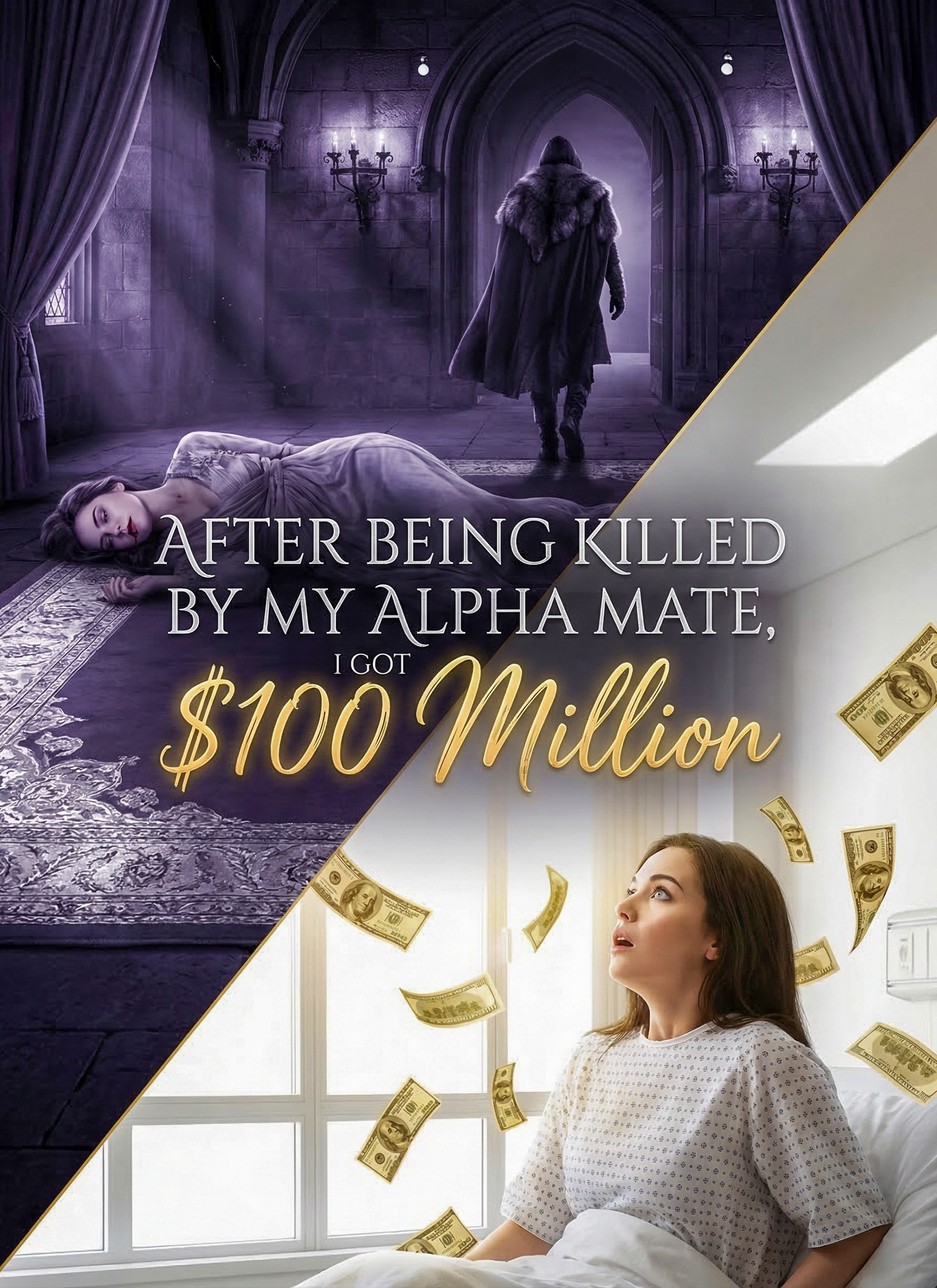
    Ten years. That’s how long they kept me in that sterile hell, poking and prodding at the architecture of my soul. I didn’t just escape; I tore the cage open with a kinetic blast that leveled half the facility. But the “freedom” waiting for me was a nightmare. The sky was the color of a bruised plum, and the streets were crawling with things that used to be human. I rounded a corner, my lungs still stinging from the lab’s recycled air, and stopped dead. There, pressed against a crumbling brick wall, was my childhood best friend. A man I didn’t recognize—her husband, apparently—had her pinned. He was snarling, ripping a small fabric bag from her desperate grip. “The colony has rules, Maddie! Resource management. You think you’re special enough to hoard chocolate while the rest of us starve?” Maddie’s eyes were rimmed with red, her knuckles white as she clawed at the bag. “It’s for Toby… please, he’s just a kid…” Beside them, a girl with perfectly curled hair and a pout that screamed ‘protected’ let out a sharp, mocking laugh. “Oh, please. Using the kid as an excuse again? Just admit you’re a greedy glutton, Maddie.” As the surrounding survivors began to hurl insults like stones, I felt a familiar, cold hum beneath my skin. I stepped forward, tore open a heavy industrial-sized bag of premium chocolate I’d scavenged, and slammed it directly into the girl’s smirking face. “Is that enough for the group, or do you need a second helping?” I stared them down, the air around my fingertips beginning to distort with a faint, lethal shimmer. “Say one more word, and I’ll make sure none of you live long enough to taste it.” 1 The zipper on my backpack was broken. A waterfall of brightly colored wrappers spilled out, clattering onto the asphalt. “Ow! Hey! Who do you think you are?!” The girl shrieked, clutching her forehead where the bag had made contact. Nobody answered her. Every eye in that alley was glued to the pavement. The sound of dozens of people swallowing hard was the only thing audible in the heavy, post-apocalyptic silence. “Chocolate… holy shit, it’s a whole stash…” “My pulse-scan says it’s real. It’s not an illusion. It’s real!” The crowd broke. They descended like a pack of starving wolves, scrambling, shoving, and clawing for a single bar. The girl’s screams were drowned out in an instant. She stomped her foot, grabbing the man’s arm and shaking it violently. “Brooks! Do something! Stop them!” Brooks—the husband—darkened. His jaw set. “Enough!” he roared. The authority in his voice was practiced, sharp. “Have you all forgotten the protocol? Scavenged goods are centralized. Everything goes to Sierra for storage and fair distribution!” The mention of ‘Sierra’ seemed to snap them back to reality. The girl—Sierra—smirked and stepped forward, her palms glowing with a faint, cerulean light. Spatial Manipulation. The ultimate locker. But Maddie didn’t care about the chocolate. She didn’t even look at the frantic crowd. She was staring at me, her face ghostly pale, her breath coming in ragged hitches. “Wren…?” her voice was a fragile thing, barely a whisper. “Is that really you? Are you actually alive?” 2 She lunged at me, her arms wrapping around me so tightly it hurt. My brain felt like it was full of static, slow and unresponsive, but my body remembered her. My hand rose instinctively, patting her back with a clumsy, hesitant rhythm. “Is that… is that my name? Wren?” “You forgot your own name?” She pulled back, her hands fluttering over my shoulders and face as if checking for cracks in a porcelain doll. She was laughing and crying at the same time, a beautiful, messy display of humanity I hadn’t seen in a decade. “The director at the group home said some ‘benefactor’ adopted you. I begged him to tell me who, but he wouldn’t budge. I spent years looking for you, Wren. Everywhere.” I stayed silent. Of course she couldn’t find me. For ten years, I wasn’t a person. I was Subject 09, living in a sub-basement three hundred feet below the earth. I was a lab rat in a program designed to push human evolution to the breaking point. My skull had been opened more times than I could count. Chips implanted, serums injected, memories erased and rewritten until my past was nothing but a blurred watercolor. But through the haze of the drugs and the trauma, one thing had remained. A single, stubborn anchor. Maddie. The girl who had shared her stale bread with me when we were five. The girl who mattered. 3 “Who are you? And where did you get high-tier supplies like that?” Maddie was still checking me for injuries, but Brooks had stepped closer. His eyes moved over me like a radar, cold and calculating. I thought about it for a second. “Passed a convenience store downtown. Picked them up.” Brooks narrowed his eyes. “Downtown? You expect me to believe you walked through the Red Zone and just ‘picked up’ a bag of treats?” Maddie stepped between us before he could finish, her wings spread like a mother hen. “Brooks, this is her. This is Wren. I’ve told you about her a thousand times. She’s my family.” She turned back to me, her expression softening. “Wren, this is my husband, Brooks. We got married five years ago.” She said it with a forced brightness, then looked back at Brooks with a pleading intensity. “Please, let her stay with our unit. I’m begging you.” Brooks didn’t answer. He looked at me with a heavy, unreadable frown. Behind him, Sierra, the girl with the spatial ability, let out a sharp scoff. “Maddie, be realistic. This is an elite strike team. It’s bad enough we have to carry a ‘Natural’ like you, but now you want to bring in some random stray from the streets? We’re trying to make it to The Meridian, not run a halfway house.” Maddie’s face went cold. “Sierra, if she’s a ‘burden,’ then give her back her chocolate and we’ll both leave. Right now.” “You—!” Sierra’s face flushed. She turned to Brooks, her voice turning into a sugary whine. “Brooks, listen to her! She’s choosing a stranger over the team again!” “Enough. Both of you.” Brooks finally spoke, his voice final. “She contributed high-value assets to the common pool. We have an obligation to provide protection in exchange. Maddie, your friend can stay.” He turned on his heel. “Move out. No more talk.” Maddie beamed at me, grabbing my hand. Sierra just rolled her eyes and gave me a look of pure venom. I quietly extended a thread of my consciousness, scanning Sierra as she walked away. She was pathetic. Her ‘space’ was barely the size of a closet—the lowest tier of her ability. I could crush her with a flick of my wrist. But then I looked at Maddie, who was grinning at me for the first time in years. Fine. I’d let the little brat live. For now. 4 The convoy rattled down the abandoned highway for two days before we hit the outskirts of a ghost town. Maddie hadn’t changed. She was still a talker. Over the hum of the engine, she filled in the ten-year gap. She’d gone to college, met Brooks her sophomore year, and married him right after graduation. Then, two months ago, the Pulse hit. The virus followed. Brooks had been one of the lucky ones—he’d awakened as a high-tier Ferrokine, able to bend metal to his will. As for Sierra? She was Brooks’ stepsister. No blood relation, but they’d grown up together. “They’re close,” Maddie whispered, her smile fading slightly. “Sometimes I feel like the odd one out. Especially after you disappeared. I felt so alone, Wren.” She sighed, her eyes drifting to the window. “I have a son. Toby. He’s four. He was at a summer camp in the city when the outbreak started. Brooks went to get him, but the camp had already been evacuated.” “The camp director sent a message saying they’d been moved to The Meridian—the big military safe zone. That’s why we’re heading there. To find my boy.” Maddie looked at me, her eyes shining with a sudden, fierce hope. “He knows all about you, Wren! I tell him stories every night. About my best friend, the bravest girl in the world.” “I told him you loved paper cranes. He’s folded hundreds of them. He said he’s going to give them all to ‘Auntie Wren’ the second he sees you.” I looked at her bright, aching smile. Deep inside my mind, in the places where the doctors had tried to burn everything away, I felt something stir. A ripple in a stagnant pond. “Okay,” I said. I reached into my pocket and pulled out a small, foil-wrapped square of chocolate I’d hidden. I pressed it into her hand. Maddie’s eyes went wide. “For Toby,” I said, my voice sounding a little less like a machine. 5 That night, we camped in a gutted-out processing plant. Maddie crept over to my corner like a thief, sliding two pieces of hard tack toward me. “Eat this, Wren. Before Sierra counts the rations again.” My metabolism was no longer human. I could go weeks without food or water, fueled by the kinetic energy I absorbed from the air. But I looked at her concerned face and took the bread. Maddie sat beside me, shoulders touching mine. “Where were you, really? You don’t just ‘escape’ a place for ten years and show up in the middle of a zombie swarm.” I stared at the bread. My mind flashed back to the bunker. The white lights. The smell of ozone and burning flesh. The frantic voices of the ‘doctors.’ “Subject 09 is reacting to the K-serum!” “Increase the neural dampeners to max!” “Warning! Psychic surge detected! Immediate containment breach—” And then, the boom. The sound of reinforced glass turning to dust. When I’d come to, the lab was silent. Just bodies in white coats and a red emergency light spinning. I’d taken a coat from a corpse and walked toward the surface. Maddie, I had whispered to the empty air. I have to find Maddie. “I was in a facility,” I said quietly. “It was… specialized. I couldn’t leave. But I’m out now. I came looking for you.” “Oh, Wren.” Maddie threw her arms around my neck, burying her face in my shoulder. “I knew you hadn’t forgotten me. Brooks used to say you probably got adopted by some rich family and didn’t want a ‘poor’ friend like me anymore. I never believed him.” She pulled back, her eyes fierce. “He doesn’t get it. He doesn’t understand us.” No. He didn’t. He didn’t know that I had survived a hundred lethal injections because of a promise we made when we were kids. “Wren, we’re going to live to be a hundred. We’re going to be best friends forever.” I had to live. I couldn’t break a promise to Maddie. 6 In the middle of the night, Maddie fell asleep against my shoulder. I adjusted her gently, making sure she was comfortable, then stood up. In the shadows, Brooks was watching me. His gaze was sharp, suspicious. He walked over, his boots echoing on the concrete. He was doubting me. I stood my ground, my mental energy beginning to coil in my palms, ready to lash out. And then, the sirens screamed. “Breach! We have a swarm!” The heavy trucks blocking the entrance were tossed aside like toys. A sea of grey, rotting flesh began to pour into the plant. The unit scrambled. Six ‘Awakened’ against hundreds of monsters. They weren’t “elite.” Brooks was decent, but the others were amateurs. Within minutes, they were being pushed back. Their energy was flagging. Three monsters broke the line, lunging toward Sierra and Maddie. “Brooks! Help!” Sierra shrieked. “Brooks!” Maddie cried out. Without a second of hesitation, Brooks swung his arm, metal shards flying from his belt to impale the creature threatening Sierra. He saved her, then turned, his face contorting in horror as he realized Maddie was still in danger. Squelch. I didn’t use my powers. I just grabbed a rusted piece of rebar from the floor and drove it through the skulls of two zombies in one fluid motion. They dropped like stones. Maddie was clutching my sleeve, her face white. “Wren, are you hurt? Did they scratch you?” “I’m fine,” I said, shaking the black sludge off my hand. More were coming. The smell of blood was calling them. “Get to the cars!” Brooks yelled, his voice cracking. “I’ll cover the rear! Go! Now!” 7 Maddie was silent for the rest of the night. We didn’t stop until dawn, pulling into a secluded farmhouse. I could feel her grief, her realization. I reached out and took her cold hand. “I’ve got you,” I said. “I’ll protect you.” Maddie looked up. She wasn’t an idiot. She knew what had happened at the plant. Given the choice between his wife and his stepsister, Brooks hadn’t even blinked. He’d chosen Sierra. “I know Sierra has the supplies,” Maddie whispered, her voice trembling. “I know she’s ‘essential’ because of her ability. I tell myself it makes sense to protect her first. But… it hurts, Wren. It hurts so much.” She looked at me, tears brimming. “Am I being selfish? Am I being crazy?” I shook my head. “No. You’re not.” In my world, Maddie was the only thing that made sense. I remembered being four years old, abandoned at the group home because I wouldn’t speak. The doctors called it ‘selective mutism.’ The older kids called it ‘being a target.’ It was Maddie, three years older and half a head taller, who had picked up a brick and chased a group of bullies across the yard. “Touch her again and I’ll crack your skulls! You hear me?” I remembered being nine. The director had called me into his office at midnight. There were two men there, men with hungry eyes. The director told me to be a good girl and do what they said. The door had flown open. Maddie was there with a rusted shovel, screaming like a banshee, swinging at anything that moved. She’d nearly killed one of them. That night, she’d held my hand and brushed my hair. “Don’t be scared, Wren. If you’re ever in trouble, just call my name. I’ll always come.” I looked at her now, mimicking the tone she’d used all those years ago. “Maddie, don’t be scared. If you’re in trouble… just call my name.” She froze. Her lip began to tremble. “Wren…” Before she could say anything else, the light was blocked out. Brooks was standing there with the rest of the unit. They looked grim. They looked like a jury. Maddie stepped in front of me again. “What is this? What do you want?” Sierra stepped forward, her voice dripping with mock concern. “Maddie, sweetie, we know you love her. But don’t you think something is… off?” Maddie’s jaw set. “Off how?” Sierra looked at Brooks. He didn’t say a word, but his hand was already hovering over his belt, metal beginning to hum. A scrawny man from the unit stepped up. “Think about it, Maddie. We’re a team of Awakened and we barely survive out there. Your friend has been wandering the Red Zone for two months with a bag of chocolate and she doesn’t have a scratch on her?” “She claims she’s a ‘Natural.’ No powers. Does that sound like the truth to you?” Maddie squeezed my hand. “What are you implying?” Brooks stepped forward, his eyes cold. “We have to prioritize the safety of the collective, Maddie. For a month, we’ve taken the back roads. It’s been quiet. Then she joins us, and suddenly we’re hit by a coordinated swarm?” “The radio says the virus is evolving. There are ‘Evolved’ now. Creatures that look like us, talk like us, but lead the hives.” He raised a sharpened metal spike, pointing it directly at the space between my eyes. “I think your ‘friend’ is an Evolved. A Trojan horse sent to wipe us out.” 8 “That is the most insane thing I’ve ever heard!” Maddie didn’t flinch. She shoved Sierra’s hand away, her voice rising to a scream. “The world is ending and you’re making up ghost stories? You saw her save me last night! If she were one of them, I’d be dead!” “Maddie, you’re blinded by sentiment,” Sierra sighed. Brooks’ voice was like iron. “Move, Maddie.” The spike was inches from my face. Maddie stood her ground, her body shaking with fury. “You want to get to her? You go through me. I mean it, Brooks. Try me.” I watched her back, felt the heat of her anger. And for the first time, I felt a spark of something that wasn’t programming. It was a raw, burning protective instinct. I tapped Maddie’s shoulder. “Maddie. Step back.” “No, Wren! They’ll kill you!” “They won’t,” I said. I gripped her wrist, sending a tiny, soothing pulse of energy into her system to calm her heart. “I promised I’d protect you.” I walked past her. Brooks kept the spike leveled at my head. Sierra was smirking, waiting for the show. Creeeeeak. I pushed open the farmhouse gate. A hundred yards away, a group of straggling zombies caught the scent of living blood. They began to hiss, their broken limbs twitching as they turned toward us. “If she’s not one of them,” Sierra challenged, “then she won’t mind walking out there. If they attack her, she’s human. If they don’t…” “Do you really want to find out?”

    🌟 Continue the story here 👉🏻 📲 Download the “MotoNovel” app 🔍 search for “419168”, and watch the full series ✨! #MotoNovel

  • His Birthday Cost Her Everything

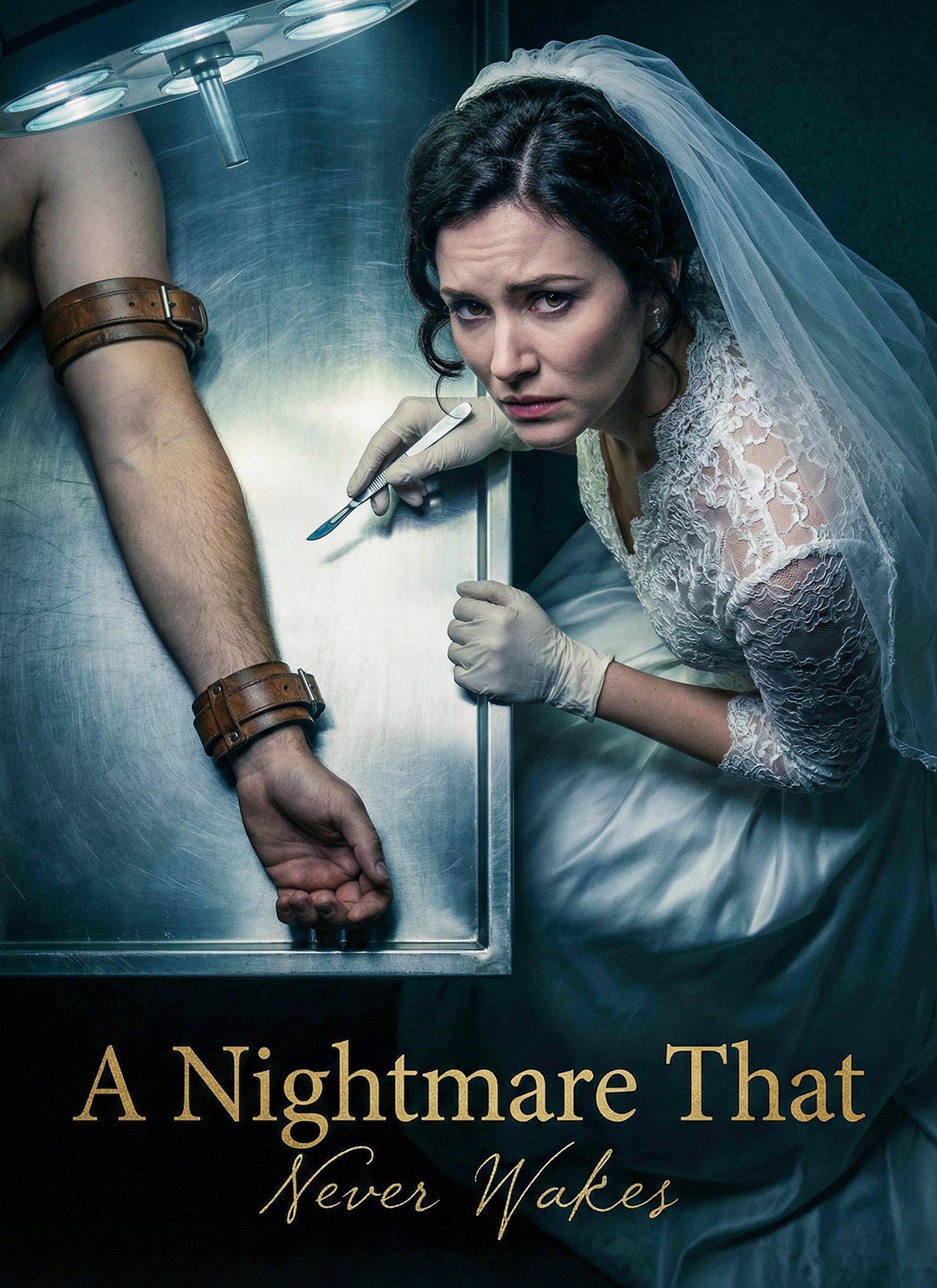
    I woke up early, driving across town to that artisanal bakery she loves just to get those specific Gruyère croissants. It was a peace offering, a pathetic attempt to smooth things over because I’d accidentally snagged her expensive silk stockings the night before. But as I set the bag on the counter, Callie didn’t even look up. She was packing a suitcase with practiced efficiency. “Hunter’s birthday is this weekend,” she said, her voice flat, clinical. “We’re going to Thailand. It’s a bit unstable there right now, so I told him I have to go along. You know, to keep him safe.” I opened my mouth to protest—to ask why my wife was spending a weekend in the tropics with her ‘college mentor’—when the world suddenly glitched. Shimmering, translucent lines of text began to crawl across my vision like a digital fever dream. [Shut up, Bennett! Just let the traitor go!] [Don’t be a fool. That ‘H’ tattooed over her heart? It’s for Hunter, not you. It was never you.] [Think about this day in your last life. You knelt. You begged. You stayed on the floor crying while she walked out. Later, at the Disaster Mitigation Center, you predicted the massive avalanche that hit her hometown at 11:00 PM. You sprinted to the airport, tore up her ticket like a madman, and forced her back to save her parents. She saved them, but she hated you for it.] [And Hunter? He went missing on a cruise ship later that year. When they found the body, he was a hollowed-out shell. Organs gone.] [On the seventh day of Hunter’s mourning, she lied. She told you she was pregnant to get you onto a ship. Then, she sold you to a human trafficking ring for a hundred bucks. You died in a concrete cell, treated like livestock, harvested for ‘premium genetics’ until your heart finally gave out…] I stared at her. My chest felt tight, the phantom pain of a life I hadn’t lived—or perhaps a life I had—pulsing in my muscles. I remembered that tattoo. She’d told me it was a symbol of her ‘heart,’ placed right over her ribs. I had spent years worshipping at that altar. … I froze. 1 The subtitles continued to scroll, a frantic digital rain. My body felt heavy, weighed down by the muscle memory of an agonizing death. It felt too real to be a hallucination. Callie’s face twisted with impatience. “Bennett? Did you hear me? I’m going. I won’t let Hunter be in danger alone.” I looked at her perfectly painted red lips. I didn’t want to believe it. Could she really blame me for Hunter’s fate? Could she really sell me into a living hell out of spite? We both worked at the National Disaster Mitigation Center. It was supposed to be a romance born of shared purpose. On our wedding day, she’d confessed she still had feelings for her “mentor,” Hunter. She told me she couldn’t give me a hundred percent of her heart and asked for my “understanding.” All our friends and family were already in the pews. I didn’t want the scandal. I swallowed the bile and married her anyway. After the honeymoon, she got that tattoo. I thought it was a sign she’d finally chosen me. I doubled my efforts. I became the perfect, doting husband. Then Hunter came back into the picture. She eventually moved him into our guest room, then kicked me out of our own master suite so he could stay there. I loved her so much I forced myself to believe the lie of “platonic friendship.” But the memories from that ‘other life’ were screaming at me now. It was time to let go. It was time to let her walk into the destiny she so desperately wanted. “Are you deaf? Answer me!” Callie snapped. I looked at her—really looked at her—and then turned to my laptop. I pulled up the seismic thermal maps I’d been studying. I printed a thick stack of data and shoved them into her hand. “There’s going to be a Category 5 avalanche at Oak Ridge tonight at 11:00 PM,” I said, my voice eerily calm. “Your parents’ house is right in the path of the debris flow.” Callie glanced at the charts for a second before ripping them down the middle. She threw the confetti in my face and laughed, a sharp, ugly sound. “Bennett, you’ve lost your mind. Are you actually faking a natural disaster now?” “I’m not joking. There are eighty-mile-per-hour winds hitting the ridge today. That’s the trigger—” Slap. The force of her hand sent my head snapping to the side. Her expression was distorted with pure hatred. “Shut up! Oak hasn’t seen a slide in a hundred years. We’ve had storms twice this big and the mountain held fine. You’re a pathetic liar, Bennett. I’m going on this trip. If you keep this up, don’t bother being here when I get back. We’re done.” She didn’t look back. She grabbed her designer luggage and slammed the door. 2 The silence she left behind was heavy. I didn’t waste time. I had submitted the official Oak prediction report to the agency thirty minutes ago. Now, I needed to get her parents. Whatever Callie was, they were still my in-laws. I couldn’t watch them die. I was barely out of the driveway when my phone buzzed. It was Chief Henderson. “Bennett? I see you uploaded a localized emergency report?” “Yes, Chief. The thermal instability on the ridge is off the charts. We need to trigger the sirens.” Henderson’s voice turned cold. “What is wrong with you, kid? You’ve been with us for five years. I thought you had a future here.” “Sir, the data—” “Forget the data! I just got off the phone with Callie. She told me everything. Using federal emergency protocols to manipulate your wife into staying home? That’s not just unprofessional, Bennett. It’s a felony.” Callie. Of course. She was Henderson’s star protégé. They were already closing ranks. “Chief, listen to me. At 11:00 PM tonight, that mountain is coming down. You have to—” “I’ve already retracted your report. Don’t come in tomorrow. Take a few days to think about your ‘attitude.’ Honestly, if I hadn’t been the one to introduce you two, I’d fire you on the spot.” I tried the Deputy Director. He didn’t even let me finish. “Bennett? Henderson already filled me in. I thought you were a stable guy. Clearly, I was wrong. You’re done at the Center. Send your badge in by courier.” The line went dead. I sat in my car, the reality of my ruined career sinking in. But there was no time to mourn. It was 6:00 PM. Five hours until the snow buried Oak. I called Callie’s father, George. “An avalanche? Bennett, son, you’ve been working too hard. This ridge is solid rock. Where’s Callie? Put her on.” “She’s heading to the airport, George. Please, I’m serious. The town needs to evacuate. Call the Sheriff. Tell everyone to get out!” George chuckled. “Sure, sure. Safety first. I’ll look into it.” Two hours later, I pulled into Oak. The town was peaceful. People were walking their dogs; the streetlights were flickering on. There was zero sense of urgency. I drove straight to the Mayor’s house. To my surprise, George was there, sitting on the porch with Mayor Whittaker, a glass of bourbon in his hand. “George! What are you doing? Why isn’t the siren going off?” I shouted as I ran up the steps. Whittaker looked at me with pity. “So this is the son-in-law? A bit high-strung, isn’t he?” George stood up and kicked my shin, hard. “Bennett! You’re a grown man. How dare you spread these lies? If I hadn’t called Callie, I might have actually believed you and made a fool of myself in front of the whole town!” 3 They didn’t believe me. None of them. My phone rang. Callie. I answered it on speaker, desperate. “Callie! Tell your father. Tell him about the ridge. Please, just help me save them!” Her voice came through the speakers, cold as the coming snow. “Bennett, get help. Seriously. You’re making a scene because I’m on a trip with Hunter? It’s pathetic.” Hunter’s voice drifted in from the background, smug and mocking. “Give it up, man. You’re just making her hate you more.” “Stop this,” Callie warned. “Go home, or I’m filing for divorce the second I land. You’ll leave with nothing.” Click. George glared at me. “Divorce? What the hell is going on with you two?” “George, please. I’m a senior engineer. I’ve tracked the wind shear. The mountain is going to slide at 11:00 PM. It’s a Category 5. The town will be buried. You have to believe me!” Whittaker hesitated, looking at the sheer desperation in my eyes. But George let out a harsh snort. “He’s not an engineer anymore, Whittaker! My daughter just told me the Center fired him today for filing false reports. He’s a fraud, Bill. Don’t listen to a word he says.” Whittaker’s face hardened. He pointed toward the street. “Son, get off my property. Now.” I knew if I left, they were dead. I did the only thing I could. I dropped to my knees on the porch. “If the mountain doesn’t move at 11:00 PM, call the police. I’ll go to prison for filing a false report. I’ll sign over every asset I own to this town. Just move the people. Please. There isn’t much time!” “You just won’t stop embarrassing us, will you?” George roared. He swung his foot and caught me right in the ribs. I collapsed, gasping for air, the pain radiating through my chest. I stared up at the Mayor. “Thousands of lives, Whittaker. Can you live with that?” Whittaker looked at the mountain, then back at me. Finally, he sighed. “Fine. I’ll call for a ‘precautionary drill.’ One time.” George was stunned. “Bill, you’re actually listening to this maniac? He’s just doing this to spite my daughter—” “If he’s wrong, he goes to jail,” Whittaker snapped, walking inside to grab his radio. I followed him out, clutching my side. “The debris field will span two miles. To be safe, everyone needs to be at least three miles past the valley floor.” The evacuation started. It was messy and slow, but people began to move. I went back to George’s house. “George, Martha, my car is right here. Get in. Please.” He slapped me across the face. “I’m not going anywhere! I’m calling my daughter and telling her to leave you the moment she gets back. You’ve humiliated me for the last time!” For the next two hours, I watched the town empty out. But Callie’s parents remained locked inside their house. No matter how much I pounded on the door, they wouldn’t budge. I called Callie again. Ten times. Twenty times. Finally, a man answered. Hunter. “Where’s Callie?” I barked. “The mountain is about to go. Get her on the phone so she can tell her parents to leave!” I heard Hunter’s soft, mocking laugh. “She’s in the shower, Bennett. She told me she’s done talking to you.” “Hunter, listen to me! This isn’t about us. Her parents are going to die in twenty minutes! Tell her to pick up!” “You’re sick, man,” Hunter said. “Still using the avalanche bit? You have no idea what Callie is going to do for me tonight. She’s so soft, so eager… you couldn’t even imagine—” I hung up. I didn’t care about his bragging. I looked at my watch. Twelve minutes left. If I didn’t leave now, I’d be buried too. I pulled out my phone and started a voice recording. I stood by the door and yelled one last time. “George! Martha! The slide is coming in ten minutes! It’s a Category 5! If you don’t leave now, you will die!” An ash-tray shattered through the window screen, striking me square in the forehead. I stumbled back, my vision swimming, blood dripping into my eye. “You animal!” Martha’s voice shrieked from inside. “You’re cursing us? My daughter was right—you’re a liar and a leach! You just want us dead so you can inherit the house! Get lost!” I didn’t stay to hear the rest. I turned off the recording, wiped the blood from my eyes, and crawled into my car. I drove like a madman, my head spinning, fighting the urge to black out. At exactly 11:00 PM, a roar like a thousand freight trains erupted from the dark. In my rearview mirror, the night sky was blotted out by a wall of white. Oak was gone.

    🌟 Continue the story here 👉🏻 📲 Download the “MotoNovel” app 🔍 search for “419167”, and watch the full series ✨! #MotoNovel

  • He Chose His Secretary Over Me

    Carrying this new life inside me made me feel like my mind was an unfinished puzzle, with a jagged piece missing right in the center. Every time I pressed my husband for answers, he’d just laugh and ruffle my hair with that practiced, effortless affection. “Sweetheart, you haven’t lost any memories. You’re just being sensitive. It’s the hormones.” I’d shake my head and try to believe him. Maybe I was just overthinking it. Maybe the fog in my brain was just a side effect of the pregnancy. But when the cold bite of a gun barrel pressed against my spine, I realized the nightmare had never actually ended. It had just been sleeping. The kidnapper’s boot ground into my stomach, and I gasped as filthy, brackish water forced its way down my throat. “The great Mr. Wolfe is too busy saving his precious little assistant to care about you,” the man spat, his voice a jagged rasp. “What does a trophy wife matter when he’s got her?” Through a haze of agony, I looked down. A terrifying, vivid crimson was beginning to bloom across the fabric of my white maternity dress. And then, in the moment my consciousness began to shatter, the floodgates broke. The locked doors in my mind swung wide, and the memories exploded behind my eyes like a detonated bomb. Five years ago. Another kidnapping. Another choice. He had chosen his assistant back then, too. And the child I had been carrying then—a life that should have been five years old by now—had slipped away into the dark while I lay unconscious and broken. The realization hit me harder than the physical pain: This time, he still didn’t intend for me, or our baby, to survive. … The kidnapper yanked me up by my hair, dragging my face out of the muck and forcing me to look at a screen. “Take a look. It’s a hell of a show.” On the phone screen, the video was crystal clear. My husband, Franklin Wolfe, was pulling his secretary, Bridget, into a crushing embrace. His voice was a frantic, tender whisper I knew all too well. “It’s okay, it’s okay. I’ve got you. I’m taking you home.” He swept her up in his arms, her clothes clean and pristine, a sharp, cruel contrast to the broken woman bleeding out in a warehouse. “That’s what a real wife looks like,” the kidnapper mocked. “You? You’re just the placeholder.” The metallic taste of blood filled my mouth. The world tilted, and I spiraled into the black. The memories kept surging, relentless and cruel. Three years ago, Franklin’s business rivals had snatched me to settle a score. By some freak coincidence, Bridget had been with me. The kidnappers wanted one hostage for leverage and one for a quick ransom. It was obvious they intended to trade me for the money. Everyone had been screaming at Franklin to pay the debt. “You can make more money, Franklin! But you only have one wife!” his friends had urged. Franklin had hesitated. It wasn’t the money that gave him pause. It was the choice. My in-laws had been frantic. “Elena is pregnant, Franklin! Nothing matters more than her and that baby. Do the right thing!” Finally, Franklin looked like he’d made a decision. He grabbed the satchel of cash and headed for the door. “I have a plan,” he had said, his voice cold and calculated. “Elena is my wife. They want her for the money, so they won’t hurt her. The priority is getting Bridget out of there first. She’s vulnerable.” The room had gone silent. Even the lead detective looked at him with sheer disbelief. “Sir, we can’t guarantee the kidnappers won’t hurt the remaining hostage once they have the cash,” the detective warned. “We strongly advise you to secure the pregnant woman first. She’s the one in the most danger.” But Franklin wouldn’t budge. He doubled down on Bridget. That day, I waited for a rescue that never came. When the kidnappers got their money, they laughed. With the ransom secured, I was no longer an asset—just a witness. They dragged me through the dirt, treating me like a piece of discarded trash. “We’ll drop you off once we hit the state line,” one of them sneered. “Since your man didn’t want you, we might as well show some mercy.” When I finally woke up, the police had found me in a ditch on the outskirts of town. I was covered in blood, and the baby was gone. That trauma became a canyon in my soul. I nearly lost my mind. I hated Franklin with a feral, consuming intensity. I fought for a divorce for months. Franklin had dropped to his knees, begging for a second chance. “I made a mistake, Elena! Please, hit me, scream at me, but don’t leave me!” Broken physically and mentally, I couldn’t bear the weight of the grief. It was a five-month-old fetus. He had let our child die. Eventually, he took me to a private clinic. He forced me—under the guise of “healing”—to undergo an experimental neurological procedure to suppress the trauma. He wanted me to forget. He wanted his “perfect” wife back. And so, we returned to our “happy” life. Bridget disappeared from my world, and we became the picture-perfect couple again. Until now. A sharp, stabbing pain flared in my chest. I had already given him a second chance. And he had wasted it on the same girl. Franklin. You truly make me sick. The kidnapper tucked his phone away and swung a heavy club into my side. He tossed me away like a rag doll, his nightmare laughter fading as he retreated into the shadows. I drifted back into consciousness, clutching my stomach, and began to crawl. I crawled until I saw the faint glow of streetlights, until my knees finally gave out in front of a gas station. My dress was soaked through with red. A passerby screamed and dialed 911. By the time I reached the ER, the surgeons were already prepping the room. “The fetus is non-viable,” I heard a voice say through the fog. “We need to perform the D&C immediately or she’ll go septic.” The darkness took me again. When I woke up, there was a new scar on my abdomen, and the life that had been a part of me was gone. The tears leaked out, hot and silent. I felt so fragile, so hollowed out. I had wanted so badly to save this one. I bit my lip until it bled, forcing myself to stay grounded in the cold reality of the hospital room. I sat there, alone, while the hospital handled the remains. I received a small, hauntingly light urn. There was no sign of Franklin. The police and nurses had surely been trying to reach him for days. Maybe he just thought he could show up late. After all, I was never the priority. As I checked out, I overheard a group of nurses whispering at the station. “Can you believe the guy in 402? His girlfriend just has a few scratches, and he hasn’t left her side for a second. Talk about devoted.” Another nurse sighed. “Different fates for different folks. The girl in 305 is the one I feel for. Kidnapped, nearly killed, lost the baby… and we haven’t been able to get a hold of her husband in three days.” “Heartless,” the first one whispered. Every word felt like a scalpel across my skin. I looked down the hall and saw a familiar silhouette through the glass of a private suite. It was Franklin. My mind flashed back to when we were twenty. He used to be the same way with me. If I so much as nicked my finger in the kitchen, he’d look like he was about to cry. I had fought my parents, burned every bridge, and moved across the country just to marry him. Because of that move, I hadn’t even been there to say goodbye to them before they passed. Back then, Franklin had sworn to me, “I will never fail you, Elena.” But in the end, everyone who ever loved me had left. And the man I thought was my anchor had simply changed his mind. I forced my breathing to steady and walked toward my room. As I passed Bridget’s suite, I couldn’t help but stop. I watched through the cracked door as Franklin—the powerful CEO, the man who commanded boardrooms—clumsily peeled an apple for her. I must have stared too long. Franklin looked up. Our eyes locked, and the color drained from his face instantly. It seemed he had finally remembered he had a wife. A wife he hadn’t spoken to in days. He stood up, stammering, his voice thin. “Elena… Bridget was targeted because of me. The kidnappers wanted her to get to me. I couldn’t just let her die.” I looked at him, my voice a hollow rasp. “I was kidnapped too, Franklin. Did you know that?” His eyes darted away. He didn’t answer. I had my answer. Why keep humiliating myself? He hadn’t answered the phone because he didn’t want to know. He hadn’t checked the hospitals because he was hiding. He didn’t want to face another “choice,” so he decided there was only one person worth choosing. Even if he suspected I was suffering, he chose ignorance. Last time, he said the target was safe because they were “valuable.” This time, he said the target was in more danger. I started to laugh, and the laughter turned into tears. It was pathetic. He always had a reason. A logic to justify his betrayal. My heart felt like it had been shredded. He didn’t love me anymore. He’d moved on, yet he’d had my brain rewired just to keep me in his house. To make me endure the same agony twice. “Franklin,” I whispered. “I hope you burn.” Maybe he felt a flicker of guilt. He tried to take charge of the “arrangements” for the baby. He threw money at it. The best casket, a lavish memorial service, playing the part of the grieving father for the cameras. He looked at my pale, ghost-like face and tried to offer comfort. “We’re young, Elena. We can try again. We’ll have another one.” I looked at him and felt a cold, dead sense of amusement. There won’t be another one. There is no “after” for us. You don’t deserve it. But I didn’t say it out loud. During the final moments of the service, Franklin’s phone buzzed. He hesitated for exactly one second before answering. Bridget’s sobbing voice echoed through the line. “I was in a car accident… Franklin, I’m so scared…” Franklin’s face twisted with panic. He dropped the white carnation he was holding—the flower meant for our child—and turned to leave. I stepped in front of him, my gaze freezing him in place. If he hadn’t come, that would have been one thing. But to leave now, in the middle of saying goodbye? It was the ultimate sacrilege. “Don’t you dare,” I said. He looked frantic. “Elena, don’t do this. Don’t be difficult. I’ll explain everything later, but Bridget’s been in a wreck. If something happens to her because I wasn’t there…” I clenched my fists so hard my nails drew blood. “I was kidnapped and you weren’t there, and I’m still standing. She’s on the phone, Franklin. That means she can call an ambulance. Are you a doctor? A cop? What exactly can you do for her other than hold her hand and pay the bill?” The logic hit him like a physical blow, but he didn’t like being cornered. He looked at me with a flash of resentment, as if I were the one being unreasonable. He shoved past me, hard. “Elena, I have to go. When I get back, you can scream all you want. I’ll take it. But I’m going.” I hit the ground. My palms scraped against the gravel, and the unhealed incision on my abdomen felt like it was tearing open. Warm blood began to seep through my clothes again. Tears fell, despite my best efforts to stay numb. Why did I still expect anything else from him? I finished the service alone. I buried my child alone. Then, I drove myself back to the hospital to have my stitches redone. The nurse looked at the angry red wound and sighed. “You really can’t keep doing this, honey. You’re going to have permanent scarring. How did this happen?” I apologized quietly and thanked her. While I waited for the paperwork, I opened my phone. Bridget had posted an update. I recognized the tone immediately—the same performative fragility she’d used five years ago. She didn’t show her face. Just a photo of her hand in his. The caption read: So thankful you’re here. Just a few scratches from the crash, but my hero wouldn’t leave my side. In the background, I could see Franklin prepping bandages and ointment. To any stranger, they looked like the world’s most devoted couple. What a wonderful boss, taking such good care of his staff. I felt a wave of nausea, then a sharp, clarifying coldness. I hit ‘Save’ on the photo. The hospital corridor was silent. As the anesthesia wore off, the memories Franklin had tried to erase became even more vivid. Five years ago, when I demanded a divorce, he had wept at my feet. “She’s just an employee, Elena! A sister, at most. You know about my sister who died when we were kids. She’s the only thing I have left of that memory.” To prove his “devotion,” he had “fired” her. “I’m doing this for us,” he’d said, eyes red and swollen. “I won’t let anyone come between us again.” I hadn’t believed him. But he had knelt there until his knees were bruised, begging for just a few days to prove himself. But I couldn’t get over the fact that he had left me to die. I had been exhausted, drained of everything. I had insisted on the divorce. That was when he had taken me to that clinic. He had erased the “inconvenience” of my grief. And for a few years, it worked. He hadn’t fired her, of course. He’d just moved her to a subsidiary, kept her in his orbit, nursing his obsession with his “surrogate sister.” I pulled myself back to the present. I called my lawyer. I sent over every screenshot, every hospital record, every piece of evidence of his negligence. “Draft the papers,” I said. “I want everything.” This marriage should have ended a long time ago. I went home. To my surprise, Bridget and Franklin were already there. The sight of her in my living room was a physical insult. Franklin saw my expression and rushed to explain. “Elena, Bridget felt terrible. She didn’t realize today was the memorial. She felt so guilty for pulling me away that she insisted on coming here to apologize in person.” I looked at him, marveling at his stupidity. The memorial had been on the calendar for weeks. She knew. “I’m tired, Franklin,” I said, my voice flat. “Get her out of my house.” Franklin, sensing the danger, tried to usher her toward the door. But Bridget wasn’t done. She asked for a moment alone with me. She leaned in close, her voice a poisonous whisper that only I could hear. “The first kidnapping was a fluke. But this one? This one was mine. I paid them to make sure you lost that baby. I couldn’t have you securing your spot with a kid, could I?” My heart stopped. The world went silent, save for the echo of her words. I can handle pain. I can handle betrayal. But my child… I didn’t love Franklin anymore, but I loved that baby. The doctor had told me my uterus had been scarred from the first loss. This had been my last chance to be a mother. Bridget looked at me, her eyes dancing with a sick, triumphant light. Slap! Before she could blink, I put every ounce of my grief and rage into my hand. Then I hit her again. And again. She screamed, shocked that the “docile” Elena was actually fighting back. I didn’t stop. I wanted to feel her skin break. I wanted her to feel a fraction of the ruin she had caused. She deserved to die for what she did. Franklin finally snapped out of his shock and tackled me, pulling me away from her. The guilt he’d felt earlier was gone, replaced by righteous indignation. “Are you insane? I know I messed up, Elena, and I’ll make it up to you! But why are you taking it out on her?” The physical pain of him pinning my arms was nothing compared to the hole in my chest. “She did it,” I choked out. “She hired them. She killed our baby, Franklin. She just told me.” I didn’t expect him to believe me fully. But after ten years, I thought there might be a seed of doubt. I was wrong. Franklin’s face twisted into a sneer of pity. “You’ve lost your mind. You’re literally hallucinating.” His trust in her was absolute. I went still. A cold, dark laugh bubbled up in my throat. “Right. That was your excuse last time, wasn’t it? That I was ‘unstable.’ That’s why you had my brain scrubbed. Five years later, Franklin, and you’re still the same pathetic coward.” Franklin turned white. Panic flared in his eyes. Even so, he instinctively pulled Bridget behind him, shielding her. He was a lost cause. Bridget smirked over his shoulder, her eyes gleaming. But her victory was going to be short-lived. I am a paranoid woman. Living with Franklin had taught me never to feel safe. I had been carrying a voice recorder in my pocket since the day I got out of the hospital. I reached in and pressed ‘Play.’ Her confession filled the room. It wasn’t just about the divorce anymore. This was a criminal matter. She wasn’t just losing her “hero”—she was going to prison. I wiped my eyes, my hand steady. I picked up the house phone and dialed 911. “Yes, I’d like to report a conspiracy to commit kidnapping and fetal homicide. I have a recorded confession.”

    🌟 Continue the story here 👉🏻 📲 Download the “MotoNovel” app 🔍 search for “419166”, and watch the full series ✨! #MotoNovel

  • We Were Raised for the Harvest

    The screen of the burner phone ignited in the dark, and the notification headline hit me like a poisoned ice pick to the gut. “MASSACRE AT WESTBRIDGE ACADEMY: 5,000 STUDENTS AND FACULTY DEAD.” Right below it, in chillingly clinical font: “Only two students unaccounted for.” My knuckles turned white as I gripped the device. I looked up at the boy standing by the window of our grimy roadside motel. Luke. My first love. Six months ago, we were worried about prom; now, he stood with his back to me, his varsity jacket damp with night dew, his shoulders shaking like a leaf caught in an autumn gale. My mind raced back three hours to the study hall. The final bell had just rung when Luke, the undisputed valedictorian of our class, burst through the doors like a madman. He’d grabbed my wrist and dragged me toward the parking lot, ignoring the gasps of our classmates. I had fought him, screaming, “We’re six months from graduation, Luke! You’re throwing it all away for a stunt?” His voice back then had been even more unstable than it was now. He just kept repeating, “Don’t ask, just run,” until he shoved me into a waiting car and we sped out of the city limits under the cover of a moonless sky. “You knew,” I whispered, my voice finally returning, my face pale in the reflected glow of the screen. “You knew something was going to happen, didn’t you?” He turned slowly. Beads of cold sweat glistened on his forehead under the sickly yellow light of the motel lamp. His lips moved, but no sound came out. I thought about the biting words I’d hurled at him when we first checked in—”All this drama just to hide out in a cheap hourly rate dump?” Now, the air in my lungs tasted like rusted iron. Fear was a physical weight in my throat. We weren’t just two rebellious teenagers running away to be together. We were the ones who had slipped through the cracks of a death warrant. 1 The nightmare started at the end of evening library hours. I was just stepping out of the mahogany-paneled building, heading toward the dorms, when Luke appeared. Before I could say a word, he grabbed my hand in front of everyone. The look on his face wasn’t the calm, composed expression of the boy I’d grown up with. It was something jagged. Manic. A few students nearby let out low whistles and catcalls. “Damn, Miller’s finally lost it!” someone yelled. At Westbridge, “inappropriate displays of affection” were a fast track to a disciplinary hearing. For a scholarship kid like me, it was a death sentence for my future. For a golden boy like Luke, it was social suicide. But he didn’t care. When our history teacher tried to step in and block our path, Luke didn’t negotiate. He shoved him aside with a ferocity that sent the man sprawling. Screams erupted behind us. Luke didn’t look back. He just kept running, his grip on my wrist so tight it bruised. “Luke, where are we going?” I gasped, struggling to keep pace as my lungs burned. He didn’t slow down. His face was a mask of sheer terror. “There’s no time to explain. We just have to get off campus. Now!” “Off campus?” I stopped dead, trying to anchor myself. “Are you insane? We have finals in two weeks. You’re talking about throwing away our entire lives!” Since the start of senior year, we’d been drifted into different honors tracks. We barely saw each other, holding onto the promise of a road trip after graduation. He was headed for the Ivy League; I was fighting for a spot at a top-tier state school. There was no reason—none—for this. But as I struggled to pull away, he spun me around. His eyes were wide, reflecting a kind of primal, terminal dread. “Casey, please,” he choked out. “Trust me. Just once. If we don’t leave now, we’re never leaving. We’ll be dead by midnight.” He didn’t wait for an answer. He dragged me toward the far corner of the athletic fields, where the perimeter fence met the woods. Someone had already stacked a pile of discarded crates there. “Get over,” he hissed, glancing over his shoulder as if he expected a monster to roar out of the darkness. “Go! Now!” Confused and trembling, I let him hoist me up over the chain-link fence. He vaulted over a second later, his movements fluid and frantic. A black sedan was idling on the dirt road outside. Luke shoved me into the back. “Go! Drive!” he barked at the driver, tossing a thick envelope of cash onto the front seat. The driver’s eyes widened, but he didn’t ask questions. He slammed the car into gear. As we accelerated, I looked back through the rear window. The sight chilled me to the bone. Every single light in the massive Westbridge Academy complex went out at once. Total darkness. And then, carried on the wind, came the faint, muffled sound of a thousand screams. I sank into the seat, my heart hammering against my ribs like a trapped bird. Luke collapsed beside me, his hands shaking violently. He kept his eyes glued to the rearview mirror until the school was nothing but a memory in the distance. Only then did he let out a long, ragged breath. “What was that?” I demanded, my voice trembling. “Luke, what did you do? What is happening back there?” He pulled me into his chest, his arms like iron bands. “Casey, don’t ask,” he whispered into my hair. “If I say it out loud… if I name it… we might not make it out.” 2 His words sent a fresh wave of ice through my veins. What could be so horrific that even speaking its name was a threat? I breathed in the familiar scent of his cologne—sandalwood and laundry detergent—and forced myself to nod. “Okay,” I whispered. “I trust you. It’s not like you’re kidnapping me to sell me off.” He let out a dry, hollow laugh. “Casey, I’d sell my own soul before I let a hair on your head be touched.” The car tore through the night. The driver kept glancing at us through the mirror, probably thinking we were just two rich kids playing at being outlaws. We switched cars twice, traveling through the early hours of the morning until we crossed the state line. We finally stopped at a nondescript motel in a town so small it didn’t even have a Starbucks. The moment we entered the room, Luke didn’t collapse onto the bed. Instead, he pulled a roll of black electrical tape from his bag. He covered the peephole. Then, he got on his hands and knees and taped the gap at the bottom of the door until it was airtight. He looked like a man who had just finished defusing a bomb. “What are you doing?” I asked, watching the black tape with growing unease. “Blocking the line of sight,” he muttered. “They like to watch. They find you through the cracks.” They. I didn’t press him. I just watched him stumble toward the bathroom to splash water on his face. While the faucet ran, I reached for the smartphone he’d handed me earlier. That’s when I saw it. The headline that shattered the world. My fingers went numb. My vision narrowed until all I could see were those words. “WESTBRIDGE ACADEMY MASS FATALITY. ENTIRE STUDENT BODY DEAD OVERNIGHT.” I clicked the link, my brain refusing to process the information. “Five thousand students and faculty were found dead at Westbridge Academy late last night. Preliminary reports indicate massive internal hemorrhaging. There were no signs of a struggle. Forensic experts are baffled.” “Only two students remain unaccounted for.” 3 I sat on the edge of the bed, a violent shudder wracking my frame. “How?” I whispered. “How is this possible?” In one night, everyone I knew—my roommate, my teachers, the girl who sat next to me in AP Bio—they were all gone. I clicked a video link. The footage showed the iron gates of the school, now swarmed by state police and a fleet of ambulances. Long rows of body bags lined the manicured lawn where we’d had our fall festival just weeks ago. The reporter’s voice was thin with shock. “Authorities have cordoned off the area. While they have ruled out food poisoning, the strangest detail remains: security footage shows two students fleeing the grounds just minutes before the event began. A nationwide search is underway for these survivors…” I looked at Luke as he walked out of the bathroom. “You knew this was coming.” He took my frozen hands in his. “Don’t think about the ‘why’ right now, Casey. We’re alive. That’s all that matters.” “But we could have told them!” I cried, tears finally breaking through. “We could have saved them! Why didn’t you say anything?” “Casey, look at me.” His grip tightened, his eyes flashing with a desperate sort of pain. “I couldn’t save them. If I had tried to warn anyone, if I had even whispered the truth to a teacher, we would have died with them. Probably worse. I had to stay quiet to keep our chance alive. I could only save you. You’re the only thing in this world I care about.” He looked so young, yet his face was lined with a weariness that belonged to someone decades older. But the questions were screaming in my head. Why a mass death? How did he have a premonition? What were we running from? Luke reached out, brushing a tear from my cheek. “Try to sleep. We have to keep moving tomorrow.” He checked the tape on the door one last time before lying down on the other side of the bed. I lay there, staring at the ceiling, waiting for the sun to rise on a world that no longer made sense. 4 The world had turned into a horror movie overnight. In this tiny, cramped room, he was the only thing I had left. I fell into a heavy, feverish sleep filled with distorted shadows. We were jolted awake the next morning by the phone buzzing incessantly. Dozens of missed calls. When I saw the caller ID on Luke’s phone, the hair on my arms stood up. Dad. I frowned, whispering, “Luke… didn’t your parents die in that car wreck three years ago?” He lived with his grandparents. So who was calling? The phone vibrated against the nightstand like a dying insect. Luke’s face went ghost-white. He answered, but he didn’t speak. He pressed his finger to his lips, signaling me to stay absolutely silent. I held my breath, covering my mouth with both hands. The line was open, but there was no voice. Instead, there was a sound that made my teeth ache—a rhythmic, screeching friction. Like fingernails dragging across a chalkboard, or bone grinding against concrete. It wasn’t human. Luke’s pupils dilated. “Rot in hell,” he snarled into the phone. He slammed the phone down, ripped out the SIM card, and crushed the device under the heel of his boot in the bathroom. “We have to go. They found us.” He grabbed the bags and pulled me toward the door. We didn’t even check out; we just sprinted for the parking lot. The morning sun was blinding, but it offered no warmth. “Where are we going?” I asked, my voice cracking. “Farther west,” Luke said, his voice grim. “Into the mountains. We need to go somewhere they can’t reach.” We donned hats and masks, boarding a long-distance bus heading toward the Smokies. Before we left, Luke handed me a physical map with a single red circle drawn deep in the wilderness. “It’s going to get more dangerous,” he warned. “If we get separated, go to this spot. If something happens to me… you keep going. Don’t look back. That place is the only way out.” When I saw the location he’d circled, my heart stopped. I knew that place. The pieces started clicking together, a terrifying mosaic forming in my mind. Why he’d saved me. Why our school was a graveyard. What was following us. I finally understood the truth.

    🌟 Continue the story here 👉🏻 📲 Download the “MotoNovel” app 🔍 search for “419165”, and watch the full series ✨! #MotoNovel

  • Not On The Survival List

    That goddamn video was the last thread I had to pull. In the grainy footage, at three in the morning, my parents were standing perfectly still by my bedside. They stared at me for what felt like an eternity before finally turning toward the door. “Don’t wake him,” my mother’s voice whispered through the crack in the door, fragile and haunting. “Just let him stay here. Alone.” By the time I clawed my way out of sleep, the world had fundamentally shifted. The entire city looked like someone had hit the pause button. The streets were hollowed out, filled with a silence so thick it was suffocating. Three hundred million people—gone. Vaporized. My hands shook as I dialed every number in my contacts. All I got was the rhythmic, mocking pulse of a busy signal. … 1 My name is Ben Beckett. I’m twenty-six. Last night was Christmas Eve. We’d finished the big family dinner, and I was so wiped out I crashed early. The last thing I remembered was my mom in the kitchen, nagging my sister to help with the dishes. Everything was normal. Routine. But when I opened my eyes, the sun was already high. I checked my phone: 9:47 AM. The first thing I noticed wasn’t the time, though. It was the quiet. On Christmas morning, there should have been the muffled sound of neighbors’ kids screaming over toys, the hum of traffic, the distant chime of church bells. Instead, the house felt like a tomb. I got up and pushed open my bedroom door. “Mom? Dad?” Nothing. The living room was empty. The remains of last night’s dinner were still on the table, the gravy congealed, the wine glasses stained red. My dad’s ashtray had a few fresh butts in it. His coffee mug was sitting on the coaster, stone cold. Where the hell were they? I shouted my sister’s name. “Zoe!” Still nothing. I went to her room and nudged the door open. Her bed was made, the duvet pulled tight and neat. But she wasn’t in it. A cold prickle of unease started at the base of my spine. I pulled out my phone and called my mom. Ring… ring… ring… No answer. I tried my dad. No answer. I tried Zoe. Straight to voicemail. I stood in the middle of the living room, my brain struggling to process the data. It was Christmas morning. Had the whole family just… gone somewhere without me? That made zero sense. I threw on a jacket and stepped out into the hallway. The silence out there was even worse. I knocked on the door of our neighbor, Mr. Henderson. “Mr. Henderson? You home?” No sound. I tried the door across the hall. Nothing. I started to run. I hit the stairs, flying down flight after flight, pounding on every door I passed. No one. Not a single soul. I burst through the main entrance and stood in the courtyard of our apartment complex. Usually, at this hour, you’d see people walking dogs or loading gifts into their cars. Today? It was a ghost town. The playground was empty. The benches were empty. Even the stray cats that usually hung around the dumpsters had vanished. My heart started hammering against my ribs, a frantic, trapped bird. I ran to the gate. The security booth was abandoned. The barrier was up. Out on the main road, there wasn’t a single car moving. There were vehicles parked along the curb, but they were empty shells. The Starbucks was closed. The grocery store was shuttered. The pharmacy, the salon, the deli—everything was locked tight. I stood in the middle of the wide, vacant boulevard, surrounded by skyscrapers and glass, yet I was the only thing breathing. The city hadn’t just paused. It had been drained. I started to sprint. I ran through block after block. I passed the mall, the high school, the hospital entrance. Empty. Empty. Empty. I stopped, gasping for air, my lungs burning. This was impossible. This was some kind of sick, large-scale prank. I pulled out my phone and dialed 911. It picked up. But no one spoke. Just that steady, mechanical beep… beep… beep… I tried the fire department. The hospital. Same result. I dialed my fiancée, Bella. “The person you are trying to reach is unavailable. Please try again later.” I dialed my best friend, Wes. “The power to this device is off.” I went through my entire contact list. Fifty people. Not one voice. I collapsed onto the curb, my mind a white-hot blank. Everyone was gone. The whole country, maybe the whole world, had vanished overnight. And I was the only one left. Why? 2 I don’t know how long I sat there. The sun climbed higher, beating down on me, but I felt like I was made of ice. I had to get it together. I had to find a logic to the madness. I stood up and started walking back home. Halfway there, a thought hit me like a physical blow. The cameras. The building had security cameras, and my dad had recently installed a smart-cam in the living room. If something happened last night, the lens saw it. I moved faster. Back in the apartment, I went straight for the living room. My dad had set up the camera to “prevent break-ins,” he’d said. It was linked to a cloud-storage app on his tablet, which he’d left on the side table. I opened the app and scrolled back to last night’s footage. The picture was crisp. 10:00 PM: The four of us were on the couch, watching a holiday movie. 10:30 PM: I said I was tired and headed to bed. My mom told me to make sure I used the heavy blanket. I nodded. 11:00 PM: My dad went to the kitchen for a beer. 11:30 PM: Zoe was curled up on the armchair, scrolling through her phone. Everything was painfully normal. I hit the fast-forward button, skipping into the early morning hours. 1:00 AM: The living room lights were still on. My mom was knitting; my dad was reading on his phone. 2:00 AM: Zoe went to her room. 2:30 AM: My dad stood up and walked to the balcony. He pushed the door open and looked out. Suddenly, his expression shifted. I couldn’t see what he was looking at, but his face went pale, his jaw tightening. He hurried back inside and whispered something to my mother. Her face transformed instantly—fear, sharp and jagged. She dropped her knitting and stood up. Together, they walked toward my bedroom door. 3:03 AM. They pushed my door open. The camera couldn’t see inside my room, only the threshold. They stood there, looking in at me. For a long time. At least five minutes. Then, my mother’s lips moved. There was no audio, but I watched her mouth. I played it back. Again. And again. I’m not a lip-reader, but some things are unmistakable. She said: “Don’t wake him. Just let him stay here.” Then they closed my door. They turned away. 3:15 AM: They woke Zoe. The three of them threw on their coats and grabbed a few essentials. 3:40 AM: They opened the front door and walked out. The footage continued to run. From 3:40 AM until 9:00 AM. No one ever came back. I stared at the screen, my entire body beginning to tremor. “Just let him stay here.” That’s what she said. She chose to take Zoe, and she chose to leave me. Why? Why didn’t they wake me up? Why leave me to wake up to a dead world? What could have possibly happened that required them to flee at 3:00 AM, yet decide—deliberately—not to bring me along? I hurled the tablet against the wall. It shattered, the glass biting into my palm. I didn’t feel the pain. I only felt the sickening, hollow joke of it all. This was what it felt like to be discarded by the people who were supposed to love you most. 3 I tore the house apart. I was looking for anything—a note, a pamphlet, a sign of what had happened. But there was nothing. My dad had taken his phone. My mom had taken hers. Zoe’s room was empty except for a few stray clothes and books. I cracked open my laptop and scoured the internet. The connection was still live, surprisingly. But the web was a frozen time capsule. Twitter was still showing trending hashtags from Christmas Eve. Instagram was full of pictures of turkeys and decorated trees. There was nothing about a “disappearance.” It was as if this had only happened to me. Wait. If three hundred million people really vanished, there wouldn’t be anyone left to post the news. I went to Bella’s Facebook profile. Her last post was from 11:00 PM last night—a photo of her with her parents. The caption read: “Merry Christmas! Can’t wait for the wedding next year.” I stared at her smile, the way her eyes crinkled. We’d been engaged for two months. We were supposed to get married in May. And now, she was gone too. Did she know? Did she know what was coming last night? And if she did, why didn’t she tell me? I remembered something. Her house wasn’t far—a twenty-minute drive. I had to go there. I ran outside and found a car idling on the street, unlocked. The keys were still in the ignition. I jumped in and sped toward her neighborhood. The drive was haunting. I didn’t pass a single moving vehicle. The traffic lights cycled from green to yellow to red for an audience of zero. Twenty minutes later, I arrived at her place. It was just as empty. I ran upstairs and pounded on her door. No answer. I kicked the door in, the wood splintering under my boot. The apartment was vacant. But unlike my house, this place was pristine. The table was cleared. The pillows on the sofa were fluffed. It looked like they hadn’t fled in a panic—they had left with intention. I walked into Bella’s bedroom. Her makeup was organized; her bed was made. I opened her closet. A few outfits were missing. She had packed. She had known. She was prepared to leave. I began frantically tossing her room, looking for clues. In a nightstand drawer, I found her journal. My hands shook so hard I almost dropped it. I flipped to the final pages. December 22nd: “Got the notification today. It’s happening in three days. They told us we can’t tell anyone, especially not Ben. I’m so scared, but there’s no choice. I’m so sorry.” December 23rd: “Today is the last day of normal life. Had dinner with my parents and took a photo. I keep thinking about telling him. Just a whisper. But… I can’t.” December 24th: “Tonight is the night. 3:00 AM departure. I’m afraid to look at my phone; I’m afraid I’ll break down and call him. Ben, I’m so sorry. I’ll marry you in the next life.” The entry ended there. I clutched the journal to my chest, my breath coming in jagged stabs. “Can’t tell anyone. Especially not Ben.” She knew. She’d known for days. This wasn’t a “disappearance.” This was a coordinated evacuation. And I had been blacklisted. My parents didn’t take me. My fiancée didn’t warn me. Why? What did I do? I threw the journal onto the floor and ran back to the car. I needed more answers. I needed to know why the entire world had decided I wasn’t worth saving.

    🌟 Continue the story here 👉🏻 📲 Download the “MotoNovel” app 🔍 search for “419164”, and watch the full series ✨! #MotoNovel

  • Wrong Daughter To Scam Today

    To celebrate my parents’ thirtieth wedding anniversary, I’d gone all out. I picked Lumière, a high-end bistro known more for its hushed atmosphere and hand-painted silk wallpaper than its portions. It was supposed to be a night of soft jazz and expensive Cabernet. Then the check arrived. I stared at the leather folder, my heart skipping a beat before settling into a panicked thud. The total was sixty-two thousand dollars. Our dinner—the three of us—shouldn’t have topped four hundred, even with the wine. This wasn’t a typo; it was a fantasy. I immediately flagged down the server. Her explanation was delivered with a practiced, robotic tilt of the head. Apparently, a gentleman hosted a “Graduation Gala” for his son in the private ballroom and instructed the staff to “put it on his niece’s tab.” She claimed he told them I had authorized it. Then, she handed me a scrap of paper—a cocktail napkin with a scribbled, illegible note that looked like it had been written by someone mid-seizure. I didn’t believe a word of it. Without a second of hesitation, I pulled out my phone and dialed 911. “I’d like to report a grand larceny and fraud in progress at Lumière on 5th Avenue,” I said, my voice cutting through the ambient noise of the room. “The amount is sixty-two thousand dollars.” 01 My voice wasn’t loud, but in a room designed for “discreet elegance,” it landed like a grenade. At the mention of “sixty thousand,” the clinking of silverware at the neighboring tables stopped. The young server’s professional mask didn’t just slip; it shattered. Her face went from ivory to a sickly, translucent gray. She looked at me, then at the phone pressed to my ear, as if I were holding a live wire. “Ma’am… you… you can’t…” My father, Robert, and my mother, Ellen, were frozen in a state of pure, bewildered shock. They looked at each other, their eyes wide with the “how did we get here?” look of people who had spent their entire lives following the rules. My father, a man who believed “making a scene” was a cardinal sin, was already breaking out in a cold sweat. “Natalie, honey,” he whispered, reaching for my arm. “Maybe there’s a mistake. Just hang up. Let’s talk to them first.” My mother nodded frantically, her face flushed with the embarrassment of being watched. “Yes, the police… that’s so extreme. What if it’s just a distant cousin playing a prank? Someone had too much to drink?” I understood them. They were retired teachers who had lived a quiet, suburban life. To them, the “police” were people who appeared in news segments about tragedies or criminals. They didn’t see themselves as the protagonists of a crime. But I didn’t hang up. I calmly gave the dispatcher the exact address and added, “Yes, I’m here now. I will be waiting for the officers to arrive.” I ended the call. A heavy, suffocating silence descended on the lobby. The server, seemingly drained of all strength, turned and bolted toward the manager’s office. Less than a minute later, a man in a perfectly tailored charcoal suit emerged. He had a prominent stomach, a slicked-back pompadour that shone under the chandeliers, and a nameplate that read: Mr. Prescott. Mr. Prescott arrived with a flourish of false concern. “Ms. Hastings, please! Let’s be reasonable. There’s no need to involve the authorities in a simple misunderstanding. This is a small matter, really.” He stood by our table, his eyes flicking over me—assessing my shoes, my watch, the leather of my handbag. He was calculating my net worth in real-time. Finding it sufficient, his smile widened. He picked up the sixty-two-thousand-dollar bill and the scribbled napkin, squinting at them as if they were ancient scrolls. “Ah, I see… the handwriting… yes…” He dragged out the words. “It looks like it was your uncle. Perhaps he wanted to surprise you? Why don’t you give him a call? Among family, these things are better handled privately, don’t you think?” He said “family matter” with a pointed emphasis, trying to twist a commercial fraud into a domestic squabble. My parents were wavering. I could see my father’s posture wilting under the manager’s “authority.” He forced a nervous smile. “See? Mr. Prescott is right. Natalie, maybe it’s just… you know, that cousin Jerry? He was always a bit of a loose cannon…” My mother was already fumbling with her phone. “Do we even have an ‘Uncle Jerry’ in the city?” In that moment, a cold, sharp anger flared in my chest. My parents were good, honest people, but that very goodness made them vulnerable. They were being gaslit into self-doubt by a man in a fancy suit. This was exactly what scammers and predatory businesses counted on. I took a slow breath, pushing the fire down into a cold, hard diamond of resolve. “Mr. Prescott.” My voice was quiet, but it cut through his prattle like a blade. He stopped, his smile faltering. I met his gaze and spoke with clinical precision. “First, let me be clear: neither I, nor my family, have an ‘Uncle Jerry’ or any relative currently hosting a gala in this building.” “Second,” I continued, “you allowed a sixty-thousand-dollar charge to be transferred to my bill without a signature, without a phone call, and without a pre-authorization on my credit card, based solely on a napkin from a stranger. Tell me—is that the ‘Lumière Standard’ of service?” I didn’t raise my voice, but every word was a nail being driven home. Prescott’s smile vanished, replaced by a dark, offended sneer. “We saw the gentleman speaking with your party earlier. He seemed very familiar with you, and he was quite adamant that you were covering the event. We were simply trying to be accommodating…” I cut him off. “‘He seemed familiar’? ‘He was adamant’? Is that your risk management protocol for a high-end establishment?” I gestured to the sprawling crystal chandelier and the velvet-lined walls. “You spent millions on the decor, yet your billing system is less secure than a lemonade stand? Even a street vendor asks for the money before they hand over the hot dog.” The irony wasn’t lost on the room. Several diners at the next table let out a muffled snicker. Whispers started rippling through the dining room. “She’s right. Sixty grand on a napkin? That’s insane.” “I’m checking my bill twice before I leave this place.” “God, imagine if they did that to us.” The murmurs were like needles pricking Prescott’s ego. His face flushed a deep, angry crimson. He lost his corporate polish and bared his teeth. “Miss! Do not make a scene! You are disrupting our business! The bill has been verified. If you do not settle this amount, we have every right to detain you until the matter is resolved!” A threat. A naked, ugly threat. I didn’t flinch. I smiled. I pulled out my phone, angled the camera toward his contorted face, and hit ‘record.’ The red ‘REC’ light blinked steadily between us. “Please,” I said, my voice eerily calm. “Say that again. Look right into the lens and tell the world—and the police who are currently three minutes away—that Lumière intends to hold us under illegal private imprisonment before the authorities arrive.” Prescott’s bravado popped like a pricked balloon. He stared at the lens as if it were the barrel of a gun. His mouth opened and closed, but no sound came out. His face turned from beet-red to a sickly purple. Behind me, I felt my parents shift. They were looking at me with a complex mix of shock and a sudden, burgeoning pride. They were seeing, perhaps for the first time, that their daughter wasn’t someone who needed protecting anymore. She was the one holding the line. The lobby remained in a tense standoff. And I was just waiting for my backup. 02 About ten minutes later, the revolving glass doors reflected the rhythmic strobes of red and blue. Two uniformed officers entered. One was older, with the weary, cynical eyes of a man who had seen every scam in the city. The younger one held a body cam, his expression neutral. Their presence acted like a gust of fresh air, clearing the stagnant, toxic tension in the lobby. Every head turned. Prescott, who had been a snarling dog seconds ago, underwent a miraculous transformation. His face melted into a submissive, oily grin. He practically scurried toward the officers, bowing so low he was nearly doubled over. “Officers! Thank you for coming. So sorry for the trouble on such a busy night. It’s nothing, really—just a little family misunderstanding. A private matter!” He tried to use his bulk to steer them toward a corner for a “private chat.” Officer Henderson, the senior lead, didn’t even look at him. He sidestepped Prescott and walked straight to me. “You the one who called?” “I am,” I said, standing up. In front of the law, I delivered the facts. No fluff, no emotional outbursts—just a crisp executive summary, the same way I delivered risk reports at the firm. “…and that brings us to this. A sixty-two-thousand-dollar bill, and this napkin from a supposed ‘uncle.’” I handed over the leather folder and the scrap of paper. Henderson took them. The younger officer focused his body cam on the evidence. I pointed to the napkin. “Officer, notice a few things. One: there is no full name, only ‘Jerry,’ and no contact information. Would a relative truly intending to host a party act this clandestinely?” “Two: the note claims I ‘authorized’ this, yet there is no proof. No recorded call, no text thread, no signature. The restaurant transferred a five-figure debt based on a verbal claim from a stranger. Logically, it’s a farce.” Henderson nodded slowly. He turned to Prescott, his gaze sharpening. “How do you explain this? You didn’t verify a sixty-thousand-dollar transfer with the party being billed?” The sweat on Prescott’s forehead was now a river, carving paths through his bronzer. He dabbed at his face with a silk handkerchief, stammering. “Officer, we… the gentleman, Mr. Garrick was so certain, and they… they looked so close…” His voice trailed off into a pathetic squeak. Then, the silence was broken by a frantic sound. The young server from earlier came running back, clutching a cordless phone as if it were a ticking bomb. “Mr. Prescott! The phone! It’s for Ms. Hastings. It’s… it’s her uncle!” The word ‘uncle’ hit the room like a physical weight. Every eye, including the officers’, snapped to the phone. I felt a cold smirk touch my lips. Unbelievable. This man was either the bravest idiot in the city or so arrogant he thought he could talk his way out of a police report. Officer Henderson’s eyes glinted. He gave me a subtle nod and whispered to his partner, “Make sure the audio is recording.” He gestured to me. “Take it.” I took the phone from the server’s trembling hand. Under the collective gaze of the entire restaurant, I pressed the speakerphone button. A man’s voice, oily and forcedly cheerful, filled the air. “Hey, Natalie? It’s your Uncle Jerry!” 03 “It’s your Uncle Jerry, sweetheart!” The voice was dripping with a synthetic, “long-lost relative” warmth. Behind me, my mother shook her head, mouthing the words, I don’t know him. My father’s brow was furrowed so deeply it looked painful. I gripped the phone, my voice a flat line of professional indifference. “I don’t know who you are.” A booming, fake laugh erupted from the speaker. “Oh, come on! You always were a kidder. How could you forget your favorite uncle? I used to bounce you on my knee back at the old park near your house! Don’t tell me your memory is that short.” It was clever. He didn’t name the park or the city. He used the “old park” trope, a vague hook that fits almost anyone’s childhood. But I wasn’t “anyone.” I stayed silent, letting the dead air pressure him. He took my silence for hesitation. His tone shifted to something more “fatherly” and manipulative. “Look, Natalie, I heard you were taking your folks out for their anniversary. Such a wonderful thing! I figured, hey, my boy is celebrating his graduation tonight too—why not make it a double celebration? We’re family. We shouldn’t be counting pennies.” Here it was. The first layer of the emotional shakedown. “You’ve done so well for yourself, big job, big money. Surely you wouldn’t begrudge your own blood a dinner? Your parents are right there, aren’t they? You really want to make a scene in front of them? Call the cops? Think of how embarrassed they’ll be. You’re making them look bad in front of everyone.” He was throwing everything at the wall—guilt, shame, the “model daughter” trope. He was trying to tie me in knots with the very values my parents raised me with. It worked on my father. He let out a huff of indignation and snatched the phone from my hand. “Who the hell is this?” he barked. “I’m warning you, stop lying! We don’t have an ‘Uncle Jerry’ and you’re slandering my daughter!” My dad’s outburst was impulsive, but it warmed my heart. In the end, he was a protector. I took the phone back, stepping back into the lead. My voice was like a scalpel. “Mr. Garrick, or whoever you are. If you’re family, this is very easy to prove.” I paused, ensuring the officers were listening. “Right now, in front of these two police officers, I want you to tell me my grandmother’s maiden name. Or my mother’s middle name. Get one right, and I’ll pay the sixty thousand right now.” The torrent of words on the other end stopped instantly. A heavy, static-filled silence echoed through the speaker. Every person in the lobby held their breath. Prescott looked like he’d just swallowed a live wasp. A few seconds later, the mask slipped. “Jerry” turned into a cornered rat. His voice became shrill, jagged, and foul. “You little bitch! Who do you think you are? You talk to your elders like that? You get a little education and suddenly you’re too good for us? I’m telling you, you’re paying that bill. One way or another, you’re paying. Don’t make me come over there and teach you some manners!” A threat of physical violence. The “kind uncle” was gone, replaced by a street-level thug. I smiled—a cold, terrifyingly sharp smile. “Respect is earned, not gifted. What room are you in, ‘Uncle’? Don’t hide behind a phone. The officers would love to discuss ‘family manners’ with you in person.” “Screw you!” he screamed, followed by a string of profanities that made the diners nearby gasp. Then, click. He hung up. The lobby was so quiet you could hear the hum of the air conditioning. Any doubt that this was a “misunderstanding” had evaporated. I set the phone down and looked at Prescott. He was the color of damp parchment. Officer Henderson looked at him too, his voice hard as iron. “Still think this is a ‘family matter,’ Mr. Prescott?” Prescott swayed on his feet. He knew the situation had spiraled completely out of his control. 04 Henderson’s eyes were like ice. “I want the security footage from the lobby, the host stand, and the hallways. Now.” Prescott didn’t argue. He practically tripped over his own feet rushing toward the back office. All his arrogance had leaked out of him, leaving nothing but a desperate, sweaty middle manager. Henderson turned to me, his tone softening a fraction. “Ms. Hastings, think back. From the moment you walked in until you sat down, did you notice anyone following you? Anyone lingering?” I closed my eyes, tapping into the observational skills I used to analyze market volatility. “We were led straight to our booth by the window. There was a man at the table next to us. Mid-fifties, dark navy jacket that didn’t quite fit his shoulders. He looked… restless. I noticed him glancing our way several times. When my father was talking about his retirement, the man leaned back, almost like he was trying to catch the frequency.” “I thought he was just a curious diner,” I added. “But now… he was hunting.” “Do you remember his face?” “Square jaw, tanned, thinning hair on top. When he looked at us, he had these deep crinkles around his eyes—the kind that make people look ‘trustworthy’ or ‘harmless.’ It’s a mask.” Just then, Prescott returned with a technician lugging a laptop. He was a broken man, nodding frantically. “We have it, Officer. Everything.” Henderson had another question ready. “The ‘Graduation Gala’—who booked it? What name and number are on the file?”

    🌟 Continue the story here 👉🏻 📲 Download the “MotoNovel” app 🔍 search for “419163”, and watch the full series ✨! #MotoNovel

  • The Backlash Of My Scars

    The countdown is at seventy-two hours. In my eyes, these people have been dead to me for a long time—rotting from the inside out, stained beyond redemption. It happened on April Fool’s Day. To coax a smile out of their precious “golden boy,” my fiancé and my sister decided to turn me into a literal plaything. Toby, the boy they brought home to replace me, laughed as he shredded my clothes. He took a tube of lipstick and scrawled the word “BITCH” across my forehead in jagged, crimson strokes. When I didn’t react—when I just stood there, hollow and still—he lost interest in the art and delivered a brutal kick to my chest, sending me spiraling backward into the septic tank. When they finally fished me out, the air was thick with the sound of shutters clicking. A crowd of onlookers held up their phones, their mocking laughter sharp as needles. My sister, Madeline, stood a hundred yards away, pressing a silk handkerchief to her nose with a look of pure loathing. She wouldn’t even come near me. Toby looked at me with that practiced, wide-eyed innocence. “Happy April Fool’s, Gavin!” My fiancé, Sasha, stepped in front of him, shielding him as if he were the victim. Her voice was breezy, dismissive. “It was just a joke, Gavin. Don’t be so dramatic. Don’t take it to heart.” She signaled a nearby gardener to turn the high-pressure power washer on me. The jet of icy water slammed into my ribs, knocking me into the dirt. I curled into a ball, my skin turning a bruised, sickly purple from the cold, but I didn’t make a sound. By morning, the video of me—naked, shivering, and covered in filth—had gone viral within our social circles. Madeline blamed me for “tarnishing the family brand” and dragging Toby’s name through the mud. She threw my meager belongings onto the driveway and told me to get out. Sasha followed suit, publicly breaking our engagement. “A woman of my standing can’t be tied to a man with such a… public stain on his character,” she said coldly. I just nodded. I didn’t argue. They all thought I was playing a part—the stoic martyr, faking composure to make them feel guilty. They had no idea I was just counting the seconds. … In the courtyard, my father’s belt whistled through the air before snapping against my back. “Shameless! Disgusting! You are a cancer on this family!” I didn’t explain. I just gritted my teeth and took it. Experience had taught me that defending myself only made the beatings last longer. I had only been back in this house for a few weeks when it started. Toby had accused me of stealing his Patek Philippe. My parents tore my room apart; Madeline stripped me in front of the household staff to search my person. They found nothing. I thought I might get an apology. Instead, Madeline backhanded me so hard a tooth rattled loose in my mouth. “You must have sold it already! Where’s the money, you little thief?” My room was the size of a closet. I didn’t even have a bank account. When I tried to speak, she kicked me until I coughed up blood. Then, Toby let out a choreographed gasp. “Oh! Here it is. It was under the rug.” The diamond-encrusted watch caught the sunlight, blindingly bright. I looked at Madeline, waiting for a flicker of regret. There was none. She just smoothed her skirt and said, “A minor misunderstanding. Get over it. I’m Toby’s sister; I trust him implicitly.” She knew she was Toby’s sister. She just seemed to have forgotten she was mine, too. Now, in the courtyard, the belt continued to fall. My skin was a roadmap of angry red welts. Madeline stood by, watching with bored eyes. She was the one who had encouraged Toby to humiliate me, yet she hated me for the “scandal” it caused. She told me to rot in the street. “You’re leaving?” my father roared, his face puce with rage. “You want to go out there and embarrass us more? No. You’ll stay here and learn your place.” After two hours of the “family discipline,” my mother finally looked up from her tea, frowning. “Enough, Adam. It’s unsightly. Let him crawl to the shrine, do ninety-nine prostrations, and write a ten-thousand-word confession in his own blood. Then we’ll consider the matter closed.” My father tossed the belt aside, huffing. “You’re too soft on him.” Soft. I almost wanted to laugh. The prostrations had to be audible—forehead hitting the stone floor hard enough to echo, or they didn’t count. The confession had to be written with a needle and a steady supply of my own veins. If it wasn’t sincere enough, they’d make me start over. I didn’t argue. I banged my head against the stone until I blacked out, woke up when they splashed ice water on me, and kept going. I wrote twenty thousand words, each letter a drop of my life, a testament to a humility I didn’t truly feel. I thought it would be enough. Toby walked in, covering his nose and taking a theatrical step back. “Ugh, Madeline. It’s not that I don’t want him in the house, but… he smells like a sewer.” Madeline ruffled his hair affectionately, then spared me a sideways glance. “You’re right. He’s not fit for the servant’s quarters. Put him in the pit with Apollo.” Apollo was Toby’s pet Burmese python. And I have a paralyzing, primal fear of snakes. I remembered the day the police brought me home. Toby had looked at me with that same disgust back then. Madeline hadn’t put me in the snake pit then—she’d just forced me to sleep in the dog crate. The Golden Retriever’s crate was actually larger than the room I eventually got, and as long as Toby didn’t give the command, the dog didn’t bite. I could almost sleep there. But the snake pit? I couldn’t do it. I collapsed at my parents’ feet, sobbing, my forehead bleeding onto the carpet. “Please, Mom, Dad… I’ll leave. I’ll go back to the dog crate. Just please, don’t put me in there.” For a second, I saw a flicker of hesitation in my father’s eyes. He started to open his mouth, but Madeline lunged forward, grabbing me by the collar. “Stop faking it, Gavin! If it weren’t for you, this family wouldn’t be a laughingstock! You should be grateful we’re giving you a roof at all.” She dragged me toward the glass-enclosed habitat in the back of the house. I looked back at my father one last time. He looked away. The stench of musk and rot inside the pit made me gag. I felt the dry, rhythmic flick of a tongue against my cheek. As I closed my eyes, waiting for the end, a cold, mechanical voice echoed in my mind: “Countdown to completion: Forty-eight hours.” Suddenly, the panic subsided. I forced my breathing to slow. Two days. I just had to survive two more days. Three years ago, Toby had developed a stomach ache after dinner. He’d pointed a trembling finger at me, accusing me of lacing his food with laxatives. Before I could even process the lie, Madeline had pinned me down and forced a whole bottle of castor oil down my throat. I spent that night huddled on the bathroom floor, cramping so hard I wished for death. The family didn’t check on me; they were all at the hospital, holding Toby’s hand. In that moment of near-death, the voice first appeared. “Host vitals dropping. Emergency binding: Retribution System initiated. Task: Survive for three years. Success: Total karmic backlash for tormentors, $100 million cash reward. Failure: Soul erasure.” I thought it was a hallucination. But when I woke up the next morning, the pain was gone, and the timer was running. I became a ghost in that house—silent, compliant, waiting. I focused on memories of nature documentaries, trying to stay perfectly still. The python slithered over my legs, its scales cold and heavy. Outside the glass, Toby was holding Sasha’s hand, a cruel smirk on his face. “Look at him, Sasha. Your ‘fiancé’ is so pathetic he’s shacking up with a snake. Do you feel bad for him?” Sasha didn’t even look at me. She was scrolling through her phone. “Don’t be silly. I don’t have a fiancé. That contract was trash the moment he fell into the pit.” Even now, that hurt. Sasha was different—or she used to be. We grew up together in the state orphanage. When she arrived, she had a broken leg and a spirit so crushed she wouldn’t eat. I protected her. I stole food for her. I took the beatings from the older boys so they wouldn’t mess with her. One winter, a group of bullies took her crutches to use as firewood. I tackled them, and they tied me to a tree in the middle of a blizzard, using me as a target for ice-packed snowballs. My nose was broken, blood staining the white snow. Sasha held me all night after I was cut down, her tears warm against my frozen skin. “Gavin,” she had whispered. “When I grow up, I’m going to protect you. I promise.” I believed her. When the police found my real family—the wealthy, prestigious family I’d been snatched from—the first thing I did was use my leverage to find her biological family. It turned out she was an illegitimate daughter, dumped by a family that didn’t want the scandal. I begged my parents to arrange an engagement, to give her a path back into high society. Madeline called me pathetic for wanting a girl so soon after coming home. I knelt in the rain for seven days, fasting, until my knees were raw, just to get that signature on a marriage contract. The day I picked her up from the orphanage, she cried and held me. “Gavin, as soon as I’m settled, I’m yours.” But she never became mine. She tore up the contract in front of everyone. She handed me over to Toby to be mocked. When did it change? Maybe it was the first time Toby called her “Big Sister Sasha.” He was polished, clean, and knew exactly how to play the “wounded bird” better than I ever could. He’d lean into her and whisper, “You only agreed to marry Gavin because you felt obligated, right? It must be such a burden.” And she never disagreed. Once, at a gala, I drank until my stomach bled to protect her from a group of aggressive investors. I collapsed in the hallway, and she just stepped over me. “You’re embarrassing me, Gavin,” she’d said. I tried to talk about our wedding, about rings. She’d just pluck a blade of grass from the lawn, wrap it around my finger, and laugh. “There’s your ring.” Then, an hour later, she’d spend six figures at an auction to buy a watch for Toby. I asked her once, “Sasha, do you remember the orphanage? Do you remember the tree?” She laughed—a sound so full of mockery I didn’t recognize her. “Gavin, are you seriously bringing that up again? Yes, you helped me. And you’ve used that debt to anchor me to you for years. Isn’t that enough?” Anchor her? I had sacrificed everything for her future. “Let’s be real,” she continued. “You only wanted this marriage because you’re the unloved son. You knew no one else would have you, so you clung to me. You’re just desperate for someone to belong to.” Something inside me finally shattered. Toby’s laughter snapped me back to the present. “Sasha, don’t be so mean. He was your boyfriend for a decade.” Sasha sneered. “A boyfriend? He was a charity project that went on too long.” I took a deep breath and whispered to the system, “Does betrayal count toward the backlash?” “Affirmative. Every ounce of pain the Host feels will be reflected. But only if you survive the final countdown.” Toby tapped on the glass, looking annoyed. “This is boring. He’s not moving. He looks like a corpse, and Apollo doesn’t like dead things.” He tugged on Sasha’s arm. “Sasha, get him out of there. I want to see him cry.” Sasha hesitated for a fraction of a second, then nodded. She hauled me out of the pit. The sudden sunlight was blinding. “Toby wants to see tears,” she said, her voice flat, devoid of heat. I didn’t move. Toby picked up a piece of coarse sandpaper from a nearby workbench. He started rubbing it against my cheek with a terrifyingly sweet smile. “Does it hurt now, Gavin? Can you cry now?” My face was raw, bleeding, but my eyes were bone dry. Sasha lost her patience and kicked me in the shoulder. I fell back, my head cracking against the concrete. “Cry!” she demanded, looming over me. When I stayed silent, she kicked me again—hard, in the ribs. I dry-heaved, the air knocked out of me. I wanted to live, but I couldn’t force a sob. I slowly pushed myself up into a kneeling position. I bowed my head until it touched the ground. “I’m sorry.” Toby blinked, then chuckled. “What is he doing? Why is he apologizing?” “That’s just Gavin,” a voice said from the doorway. Madeline. She walked over, her face twisted in its habitual mask of disgust. “This is how he lives. You hit him, he kneels. You scream at him, he bows. He’s a dog.” Toby’s eyes lit up. “Really? Then make him bark.” Madeline looked at me, her expression dead. “Did you hear him? Bark for Toby.” I was on my knees in the dirt. These three stood over me, framed by the golden afternoon sun like icons of grace, while I sat in the shadows, smelling of the pit. I opened my mouth, but no sound came out. Madeline’s face darkened. She grabbed a handful of my hair and yanked my head back. “Bark!” The pain was searing. I had to stand on my tiptoes just to keep my scalp from tearing. I looked into her eyes. She was my sister. When we were children, a kidnapper had tried to grab her. I was the one who threw myself at his legs, screaming for her to run. He had picked me up and slammed me into the ground, leaving me for dead in a ditch. I spent two months in a makeshift hospital, barely holding on. “Woof. Woof.” My voice was barely a whisper. Toby pouted. “That’s not convincing at all. He needs a tail.” He told Sasha to get a length of heavy nylon rope. Madeline tied one end around my waist and handed the other to Toby. “Crawl,” she commanded. “Wherever Toby leads, you follow.” I didn’t move. She kicked the back of my knee, and I collapsed. I began to crawl. The gravel dug into my palms. “Slow down,” Sasha said from behind. “Don’t let Toby trip.” Toby led me through the mud, up the stone steps, laughing like a child. When we were far enough away from the others, he leaned down, whispering in my ear. “I hate you, Gavin. I want you dead. Do you know why? Years ago, when you escaped that basement, you went to the police. You gave them the evidence that sent my father to prison for life.” My heart hammered against my ribs. The kidnapper. The man who had kept twenty children in a cellar. I had watched him kill a six-year-old girl because she wouldn’t stop crying. He told us, “Anyone else wants to go play with her?” I had jumped into a river to escape him while he pelted me with rocks. I nearly drowned. And my parents had adopted his son. My sister adored him. My fiancé chose him. “I’m not afraid of you telling,” Toby hissed. “No one believes a dog. I just wanted you to know how much I enjoy watching you rot.” He laughed, and something inside me snapped. I lunged upward, grabbing the rope and looping it around his throat. “Your father was a murderer!” I screamed, my eyes burning. “That girl was six years old!” Toby hadn’t expected me to fight back. He flailed, his face turning a panicked shade of red. “GAVIN!” A roar came from behind me. Before I could turn, I was ripped away and slammed into the ground. Sasha put her boot on my chest, pressing down until I felt my ribs groan. “You’re insane!” she hissed. “His father was a monster—” I choked out. SLAP. Madeline’s hand caught me across the face. I tasted copper. “We checked Toby’s records before we adopted him,” she said, her voice dripping with contempt. “He’s clean. If you’re going to lie, at least try to be believable.” “It’s not a lie!” I shrieked. “Check the records from six years ago! The man named Miller—” “Gavin,” Sasha said, her foot pressing harder. “I used to think you were just pathetic. Now I see you’re malicious.” Toby rubbed his neck, squeezing out a few crocodile tears. “If you hadn’t come… he would have killed me.” Madeline’s eyes turned murderous. She dragged me toward the back corner of the estate, where an old piece of construction equipment sat—a heavy wooden pallet riddled with rusted, six-inch nails, once used to deter trespassers. “Throw him on it.” Before I could process what was happening, Madeline and Sasha hoisted me up and slammed me down onto the bed of nails. The screams that tore from my throat didn’t sound human. The rusted iron pierced my back, my shoulders, my thighs. Blood surged from a hundred punctures, soaking the wood instantly. I tried to thrash, but the barbs held me fast, grinding into my muscle with every movement. “Think about what you’ve done,” Madeline said. Then they walked away. I lay there as the sun dipped below the horizon. Every breath was a fresh agony. My vision began to fray at the edges. The system’s voice sounded like it was coming from the bottom of a well. “Host vitals critical… final countdown initiated…” I bit through my lip, using the pain to stay conscious for the last few seconds. Finally, the voice chimed, clear and sweet: “Congratulations, Host. Three-year term complete. Calculating retribution rewards…”

    🌟 Continue the story here 👉🏻 📲 Download the “MotoNovel” app 🔍 search for “419162”, and watch the full series ✨! #MotoNovel

  • The Nobody Husband Who Owned Everything

    Five years into our marriage, Evelyn did something unprecedented: she willingly sat across from me at the kitchen island for breakfast. Trailing right behind her was a little girl, maybe three years old. When the child looked up, her brow bone, the slope of her nose, the shape of her eyes—they were an exact replica of Evelyn’s. “A girl from my old startup incubator passed away. She has no family left,” Evelyn said, not quite meeting my eyes. “We’re going to legally adopt her. Add her to our household.” My hand didn’t falter as I poured my coffee. I simply took a sip and asked, perfectly evenly, “A girl from your incubator? Was this the friend you stayed with during your ‘business trips’ to Austin three years ago, or did you rent that villa in West Lake Hills just for her?” The color drained from Evelyn’s face instantly. “He… he didn’t want to make a fuss. He’s just going to live here and help raise the kid—” she started to stammer, the slick CEO facade cracking for a fraction of a second. “Help raise the kid?” I cut her off. “Is he going to be living in the guest suite right next to our master bedroom?” “You’re getting a child out of this without having to do any of the work! Isn’t that a good thing?!” she snapped, her voice pitching up in defensive agitation. I set my mug down slowly on the marble counter. I looked at this woman—the woman who had used the four million dollars from my trust fund to launch her three subsidiaries. The woman whose family’s hollowed-out corporate empire was currently surviving on an eighty-million-dollar lifeline from my mother’s venture capital firm. “Evelyn,” I said, my voice eerily calm. “I already had the divorce papers drawn up.” “Every single asset to your name is about to be wiped clean.” 01 “Wiped clean?” Evelyn repeated the words, letting out a sharp, breathless laugh like she had just heard the punchline to a terrible joke. She lifted the little girl into one of the high chairs, turned to face me, and shoved her hands into the pockets of her tailored slacks. “Charles, you’ve played the quiet, supportive husband for five years. Who is the legal CEO of all three of my subsidiaries?” “You are.” “Whose name is on the deed to this estate?” “Yours.” “Exactly.” She pulled out a stool and sat down, languidly picking up a piece of artisanal toast. “That eighty-million-dollar bridge loan from your mother? That’s B2B corporate credit. It’s an ironclad, company-to-company agreement. It doesn’t have a single syllable to do with you, Charles, as an individual.” She took a delicate bite of the toast. “What exactly are you going to divorce me with?” The three-year-old girl sat in her high chair, stabbing at a cup of yogurt with a plastic spoon, glancing up at me between every strike. Her brow bone. The bridge of her nose. Even the tiny mole at the corner of her mouth. She was a carbon copy of Evelyn. “You think I haven’t prepared for this?” I asked. “Prepared what? Found a lawyer?” She smirked. “Ms. Campbell, right? I had lunch with her yesterday. Her entire firm is now on retainer as my corporate legal team.” I just looked at her. She set the toast down, dusted the crumbs from her manicured fingers, and stood up. “Charles, stop throwing a tantrum. Toby is coming over this afternoon. Be useful and help get the guest suite ready for him.” She walked to the foyer to slip on her heels. As she bent down to adjust the strap, she glanced back at the little girl. “Be good, Mia. Mommy will be back tonight.” Mommy. Not Auntie. She wasn’t even bothering to hide it anymore. Twelve minutes after the heavy oak door clicked shut, my phone vibrated on the counter. Unknown number. “Hey, Charles? It’s Toby.” The voice was soft, excessively sweet, dripping with a manufactured innocence. “Nessa said I should come over around three. Is the room all set up for me?” He called her Nessa. “What else did she tell you?” I asked. “She said… you were totally okay with this.” “Which exact words of mine gave you the impression I was okay with this?” Silence stretched over the line for two agonizing seconds. “Look, Charles, I really don’t take up much space,” he said, his voice dropping into a practiced, pleading register. “I’ll just help look after Mia, cook the meals. You can just look at me as a free live-in nanny…” “The person pinned at the top of your iMessage,” I said. “What’s the contact name?” His breath hitched. “I saw her phone this morning. Between eight and nine a.m., you sent her eight texts. The last one read: ‘Wifey, did he say yes? I’m so nervous.’” “Charles, I—” “You also have a TikTok account. Toby’s Code to Happiness. 1.1 million followers. Three months ago, you posted a video. The background was a living room—warm ambient lighting, a marble coffee table, custom Italian drapes. You looked right into the camera and said, ‘Hey guys, welcome to the home my wife and I built.’” Dead silence on the other end. “That living room is my house. I ordered those drapes from Milan. I picked out that marble table.” Nothing but the faint sound of static. “Are you still coming at three?” I asked. His voice was tiny now, but entirely unyielding. “Charles… Nessa told me to come.” At exactly 3:02 PM, the doorbell rang. He stood on the porch, flashing a smile that revealed two deep, charming dimples. “Hi, Charles.” He bent down, gripping the handles of two large suitcases. The little girl, Mia, scrambled off the living room sofa and launched herself into his arms. “Daddy!” He scooped her up, pressed a kiss to her forehead, and then looked right at me. There wasn’t a single trace of guilt in his eyes. He wandered around the living room, taking in the space like he was returning to his own kingdom. In his mind, I suppose, it already was. “Which way is the guest suite, Charles? I can find my own way.” “The ring on your left hand,” I said. His smile froze. On his left ring finger sat a custom-cut sapphire ring. My engagement ring. Two years ago, Evelyn told me she had sent it to a jeweler for deep cleaning. It never came back. He quickly tucked his hand behind his back. “Nessa gave it to me…” “I know exactly who gave it to you.” I turned and walked up the sweeping staircase. His voice chased after me, small and laced with a pathetic, manufactured grievance. “I’m really just here to help, Charles.” 02 “Charles, stop being so petty.” My father-in-law, Richard, called me much earlier than I anticipated. “Evelyn explained everything to me. That child is an orphan from her old accelerator program. You’re a grown man, why are you being so narrow-minded?” “Richard, the child calls Toby ‘Daddy.’” “Kids don’t know any better! They call whoever feeds them ‘Daddy’.” He spoke rapidly, aggressively, like he was reciting a script he’d rehearsed all night. “Evelyn already gave me the bottom line. That boy is just hired help. He’ll stay a few days and leave. The fact that you’re hyper-fixating on this—is it because you’re feeling insecure that we’ve been married five years and you still haven’t given her a child?” The words drove into me like a physical blade. My fingernails bit hard into my palms. “Do you know why we haven’t had a child in five years, Richard?” “If your biology is flawed, go see a specialist. I’ve told you a hundred times—” “In our second year of marriage, Evelyn had me taking those expensive ‘holistic fertility teas’ from her private specialist for six months. I took the formula to an independent lab. Three of the primary botanical extracts in that tea cause long-term male sterility.” The line went dead quiet for two full seconds. “You’re speaking absolute nonsense.” “You can have the lab report verified yourself.” “Why would I look at that garbage? Has my daughter not given you a spectacular life? Are you really going to tear this family apart over your own insecurities?” He hung up. At noon, Toby came down from the guest suite and prepared an elaborate spread in the kitchen. Braised short ribs, organic roasted vegetables, a delicate consommé. Mia sat at the dining table, clutching a small bowl, rice grains stuck to her chubby cheeks. He sat beside her, gently wiping her face with a damp cloth, playing the picture-perfect father. When he saw me come down the stairs, he stood up. “Charles, I poured you a bowl of soup, too.” The bowl was placed at the absolute furthest end of the long dining table. He was sitting in my usual chair. I didn’t touch the soup. That afternoon, I went to the pharmacy. When I swiped the platinum card Evelyn had given me, the machine beeped red. “I’m sorry, sir. This card has been deactivated.” I pulled out my personal debit card and punched in the PIN. Insufficient funds. I opened my mobile banking app in the parking lot. Three days ago, a massive wire transfer had drained my personal account. Two hundred thousand dollars. Every last cent, swept directly into the corporate holding account of Evelyn’s company. Authorized by: Evelyn. She had utilized a buried clause in the original pre-nuptial investment agreement I signed five years ago: “Party B’s capital shall be subject to the unified allocation and management of Party A.” As the sun began to set, Richard arrived at the house. The moment he laid eyes on Toby, his face lit up into a warm, crinkling smile. “Oh, look at you, what a handsome young man. Come here, let Grandpa see little Mia.” He scooped the child up, pinching her cheeks, kissing her forehead, his eyes crinkling into half-moons of pure joy. “This nose. It’s exactly like Evelyn’s when she was little.” He knew. He knew absolutely everything. Richard pulled a velvet box from his tailored coat pocket. He flipped it open. Inside rested a vintage Patek Philippe watch. I recognized it instantly. It was item number eleven on the list of family heirlooms my mother had gifted me upon my marriage. Valued at roughly a hundred and twenty thousand dollars. In our second year of marriage, Richard claimed he needed to borrow it to impress some investors at a gala. He never returned it. He reached out and slid the gold band onto Toby’s wrist. “Here, son. Take this. Raising a kid is hard work.” Toby put up a weak, performative protest twice. On the third push, he accepted it. “Thank you so much, sir.” He said it while looking directly at me, a sly smile playing on his lips. Richard settled onto my leather sofa, took a sip of the pour-over coffee Toby handed him, and finally turned his gaze to me. “Charles, you’re thirty now. You know it gets harder for a man to start over and have kids after thirty. Look how sweet Mia is. Just help raise her. We can figure the rest out later.” “Richard, that watch belongs to my family.” “What’s yours, what’s ours? You married into this family, Charles. It all belongs to the house.” He set his coffee cup down, the porcelain clinking sharply against the saucer. “If you really can’t get your head around this, then let me spell it out for you. Evelyn told me you want a divorce.” He stared at me, the grandfatherly warmth evaporating, replaced by the cold, calculating eyes of a shark. “You walked into this family’s house, Charles. You don’t get to just walk out.” “That money your mother injected into the firm? That’s business capital. Investments carry risk. Didn’t they teach you that in private school?” “You’re one man. No kids. No assets. What exactly are you going to do out there in the real world?” Toby stood in the threshold of the kitchen, holding Mia against his hip. He didn’t say a word. But he was smiling. The dimples were very deep. Richard stood up, smoothing a non-existent wrinkle from his wool trousers. “Think very carefully before you speak to me again.” “A woman like my daughter? There’s a line of men out the door begging to be in your position. You should be counting your blessings in secret.” 03 “Having dinner at the house tonight. My dad invited some extended family.” Evelyn’s text arrived at 4:00 PM. By the time I walked into the dining room, seven or eight people were already seated. All of Evelyn’s aunts, uncles, and cousins—people who usually couldn’t be bothered to visit—were gathered in full force. At the long oak table, my usual seat was gone. Toby sat directly to Evelyn’s right. Mia was perched happily on his lap. The chair I had sat in every night for five years had been physically moved to a dark corner of the room. “Oh, Charles’s here. Grab a stool,” Richard said, not even bothering to look up from his wine glass. Evelyn’s eldest aunt leaned forward, eyes gleaming with gossip. “Evelyn, sweetheart, is this the young man you were telling us about? Very handsome. And the little one looks just like you.” Evelyn offered a tight, composed smile. She didn’t deny it. The aunt turned her predatory gaze to Toby. “How old are you, young man?” “Twenty-four,” Toby replied, projecting bashful politeness. “Raising a child at twenty-four. Very capable. Much better than some people.” The aunt shot a pointed, withering look in my direction. Richard seamlessly picked up the thread. “Isn’t that the truth? Five years under our roof and not a damn thing to show for it.” A table full of people. Not a single one spoke up for me. I stood there in the doorway, a glass of ice water in my hand, feeling the chill seep into my fingers. “Charles, don’t just stand there. Sit.” Evelyn finally spoke. She pointed with her fork to a flimsy, folding chair they had crammed at the very foot of the table. I didn’t move. “Evelyn, my lawyer can’t get ahold of you.” “We’re eating. Why are we talking about this now?” she deflected smoothly. “Ms. Campbell’s firm suddenly signed an annual retainer with you. I tried to hire another firm, and they told me you had already made a phone call. I’ve reached out to six top-tier family law practices in this city today. Three of them are your corporate clients, two of them received personal calls from you this morning, and the last one suddenly decided they ‘have a conflict of interest’.” The dining room fell dead silent. You could hear the hum of the refrigerator. “Charles—” Richard slammed his heavy silver fork onto the table. “Are you really going to throw a tantrum in front of the whole family?” “You call this a tantrum?” “You are being completely unreasonable.” The eldest aunt slapped her palm against the marble. “Has Evelyn not given you the world? Look around this city. How many men get to live in a mansion like this? How many men get to spend the kind of money you do?” I locked eyes with the aunt. “Spend money? My credit cards were frozen yesterday. Two hundred thousand dollars was illegally swept from my personal checking account. I currently have three hundred dollars to my name, and that’s only because I took out cash two days ago.” The aunt blinked, taken aback. She turned to Evelyn. “Evelyn, is that…” “Auntie, it’s a private marital issue. Don’t listen to his paranoia.” Evelyn’s voice was a masterclass in soothing, patronizing calm. She didn’t even stop cutting her steak. “Charles’s mental health has been very fragile lately. I’ve already made an appointment for him to see a psychiatrist.” A psychiatrist. She was calling me clinically insane. In front of her entire bloodline. Toby sat there, eyes downcast, meticulously cutting carrots into tiny pieces for Mia. He didn’t speak. He didn’t look at me. But out of the corner of my eye, I saw his phone screen light up. I watched his thumbs move rapidly. Two words. Sent. Handled it. I couldn’t see who he was texting. But I saw the contact name at the top of the chat perfectly clearly. Wifey. At eleven o’clock that night, I sat alone in the darkness of the master bedroom. Bank accounts frozen. Legal avenues completely barricaded. A family entirely complicit in my psychological destruction. Through the thin drywall, I could hear Toby’s sickeningly sweet voice cooing a lullaby to the little girl. I pulled out my phone. I scrolled down to a number I hadn’t dialed in five years. Mom. I didn’t press call. Just as the screen went black, Richard’s voice drifted up from the sweeping staircase below. He was talking to Toby. “Don’t you worry, Toby. You settle in. This house will belong to you sooner or later.” “If he actually packs up and leaves, all the better. Gets him out of our hair. It’s not like he can take a single dime of value out of this house anyway.” 04 “Sign it.” Early the next morning, Evelyn slapped a thick, bound document onto the marble island in front of me. Supplemental Marital Agreement. Twelve neatly printed pages. I flipped open the cover. Clause 3: Party B (Charles) voluntarily waives all retroactive claims to equity or dividends in Party A’s affiliated enterprises. Clause 7: Party B assumes full individual responsibility for any personal debt incurred during the marriage. Clause 9: Party B acknowledges that the initial four-million-dollar capital injection was entirely absorbed into corporate equity upon marriage and is non-refundable. Clause 11: Upon signing, Party B consents to an uncontested dissolution of marriage and forfeits all claims to post-marital shared assets. I turned to the final page. Evelyn had already signed her name in sharp, aggressive strokes. Next to it was the official corporate seal of her holding company. “Sign this, and we can part ways amicably. I won’t make things ugly for you,” she said, pouring herself a shot of espresso and sitting across from me. “I’ll let you stay in the house until December. I’ll open a new debit card for you, transfer three thousand a month for living expenses. That should be enough to keep you afloat while you look for an entry-level job.” Three thousand a month. I brought four million dollars in liquid capital into this marriage. My mother floated an eighty-million-dollar bridge loan to save her father from federal bankruptcy. And she was offering me a three-thousand-dollar allowance. “And if I don’t sign?” She took a slow sip of her espresso. “If you don’t sign, you can still walk out the door. But you walk out with the clothes on your back. Nothing else. Oh, and those family heirlooms you’ve been whining about? My father has legal possession of them now. He says they were gifts. You want to sue him for them? Be my guest. Get in line at the courthouse.” She set the demitasse cup down, her eyes locking onto mine with a chilling predatory confidence. “Charles, you have grossly overestimated your own leverage.” “What exactly do you think you have? Your mother’s reputation? Victoria’s name holds weight in the Valley, sure. But in family court? It’s utterly useless.” Toby drifted out of the kitchen, balancing a tray of breakfast. Sunny-side-up eggs, artisanal sourdough, fresh-pressed orange juice. He slid a plate in front of Evelyn, then placed a smaller one in front of Mia. Nothing for me. “Breakfast is ready, Nessa.” He slid into the seat right beside her. At my island. In my spot. Richard wandered down the stairs in his silk robe, glancing at the thick legal document on the counter. “Just sign it, Charles. The sooner you sign, the sooner you’re free. Look at yourself. No money, no kids, no lawyer. What are you even fighting for?” “If you drag this out, don’t blame me for being blunt—strip away your mommy’s money, and what the hell are you even worth?” Evelyn leaned back in the plush barstool, crossing one elegantly tailored leg over the other, watching me. I knew that exact expression intimately. It was a deep, bone-level arrogance. She was absolutely certain I would sign. She was certain I had zero chips left to play. She was certain she had already won the war. “You don’t have to sign it, Charles. But the second you step out of this family’s shadow, you are a nobody.” She was smiling when she delivered the final blow. And then, my phone rang. The screen lit up. One word. Mom. I didn’t even have time to swipe answer. Because in that exact same millisecond, Evelyn’s iPhone started vibrating violently against the marble counter. Then the landline on the wall began to shriek. Then Richard’s phone buzzed aggressively from his robe pocket. Three separate ringtones, exploding into the quiet morning all at once. Evelyn frowned, picking up her phone. I couldn’t hear the voice on the other end, but I heard the tone. Frantic. I watched her face. The color didn’t just drain; it was violently sucked out of her. First her lips went white. Then her cheeks. Then the flush completely vanished from her neck. It was as if someone had opened a valve and drained the blood directly from her veins. She slowly lowered the phone, staring blankly into space. Her lips parted, trembling, but no sound came out. Richard had answered his phone, too. The voice on the other end was screaming so loud I could hear the tinny static. Richard’s face contorted into a mask of pure terror. “What do you mean ‘frozen’? What do you mean all of it?!” he roared into the receiver. Toby stood frozen by the stove, Mia balanced on his hip, the smug little smile still plastered to his face, entirely oblivious to the tectonic plates shifting beneath his feet. I picked up my phone and swiped the green button. “Mom.” My mother’s voice flowed through the speaker, as calm and cold as deep ocean water. “It’s done, Charles.”

    🌟 Continue the story here 👉🏻 📲 Download the “MotoNovel” app 🔍 search for “419161”, and watch the full series ✨! #MotoNovel